
Anúncios
When winter sweeps across the United States with its icy winds and snowy landscapes, there’s nothing quite like warming up with a steaming cup of tea.


The American winter can be brutally cold, especially in regions like the Midwest, Northeast, and mountain states where temperatures regularly dip below freezing. During these chilly months, finding comfort becomes essential, and tea lovers know that the right brew can provide both physical warmth and emotional comfort.
Anúncios
Beyond just heating your hands around a warm mug, certain teas contain ingredients that genuinely help your body generate and maintain heat from within. These warming teas have been used for centuries in various cultures to combat cold weather, boost circulation, and strengthen the immune system during the harsh winter months.
☕ Why Certain Teas Are Better at Warming You Up
Not all teas are created equal when it comes to generating body heat. The warming effect of tea depends on several factors, including the ingredients used, their natural properties, and how they interact with your body’s thermoregulation system.
Anúncios
Teas containing spices like ginger, cinnamon, and black pepper stimulate circulation and create a warming sensation that radiates throughout your body. These ingredients contain compounds that increase metabolic activity and blood flow, helping you feel warmer from the inside out.
Additionally, the act of drinking something hot temporarily raises your core body temperature. When combined with thermogenic ingredients, this effect is amplified and prolonged, making you feel cozy for hours after your last sip.
🫚 Ginger Tea: The Ultimate Winter Warrior
Ginger tea stands as one of the most powerful warming beverages you can consume during the American winter. This ancient remedy has been used across Asian cultures for thousands of years to combat cold and dampness.
The active compound in ginger, called gingerol, has thermogenic properties that increase your body’s heat production. When you drink ginger tea, you’ll likely notice a pleasant warming sensation spreading through your chest and limbs within minutes.
Fresh ginger root makes the most potent tea, but dried ginger works wonderfully too. Simply slice a thumb-sized piece of fresh ginger, steep it in boiling water for 10-15 minutes, and add honey and lemon to taste. This combination not only warms you up but also supports your immune system during flu season.
Additional Benefits of Ginger Tea During Winter
Beyond its warming properties, ginger tea offers numerous health benefits particularly valuable during winter months. It helps combat nausea, reduces inflammation, and can ease muscle soreness from winter activities like shoveling snow or skiing.
Ginger also aids digestion, which tends to slow down during cold weather when we naturally crave heavier, richer foods. A cup after meals helps your body process these comfort foods more efficiently while keeping you toasty warm.
🍵 Chai Tea: Spice-Infused Comfort
Chai tea, originating from India, represents the perfect storm of warming ingredients combined in one delicious beverage. Traditional masala chai contains black tea blended with cardamom, cinnamon, cloves, ginger, and black pepper—all spices known for their heat-generating properties.
The caffeine in black tea provides an energy boost during dark winter days when seasonal affective disorder can sap your motivation. Meanwhile, the spice blend creates layers of warmth that build gradually and last for hours.
Making authentic chai at home is surprisingly simple. Simmer your spices in water, add black tea leaves, then finish with milk (dairy or plant-based) and sweetener. The milk adds creaminess and additional warming calories that help sustain your body temperature in freezing conditions.

🌶️ Cinnamon Tea: Sweet Heat for Cold Nights
Cinnamon tea delivers warmth with a naturally sweet flavor that makes it incredibly comforting during winter evenings. This spice increases blood circulation and metabolic rate, helping your body maintain optimal temperature even when the thermostat drops.
Ceylon cinnamon is considered the superior variety for tea-making, offering a more delicate, complex flavor than the more common cassia cinnamon. You can use cinnamon sticks for a milder tea or ground cinnamon for a stronger, spicier brew.
Cinnamon tea also helps regulate blood sugar levels, which is particularly beneficial during winter when we tend to indulge in more sugary treats and comfort foods. This stabilization prevents the energy crashes that can make you feel even colder.
Creating the Perfect Cinnamon Tea Blend
For maximum warming effect, combine cinnamon with other complementary ingredients. Try adding a few slices of fresh apple, a star anise pod, and a touch of vanilla extract. This creates a tea that tastes like apple pie while delivering serious cold-fighting power.
Another excellent combination pairs cinnamon with orange peel and cloves, creating a tea reminiscent of holiday festivities that warms both body and spirit during the long winter months.
🍊 Turmeric Tea: Golden Warmth and Wellness
Turmeric tea, also known as golden milk when prepared with milk, has surged in popularity across American coffee shops and homes. The active compound curcumin provides anti-inflammatory benefits alongside its warming properties.
This bright golden tea creates a gentle, sustained warmth rather than the immediate heat of ginger or pepper-based teas. It’s perfect for evening consumption since it doesn’t contain caffeine and may actually promote better sleep quality.
Traditional preparation involves simmering turmeric powder or fresh turmeric root with black pepper (which increases curcumin absorption by up to 2000%), healthy fats like coconut oil, and sweetener. The result is a creamy, earthy beverage that fights inflammation while keeping you warm.
🫖 Black Tea with Winter Spices
Plain black tea already provides some warming benefits through its caffeine content and natural tannins, but adding winter spices elevates it to a whole new level of cold-fighting effectiveness.
Strong black teas like Assam, Ceylon, or English Breakfast make excellent bases for spiced winter blends. Their robust flavor stands up well to bold additions like cardamom, star anise, or dried orange peel.
The beauty of black tea is its versatility—you can customize your winter blend based on what you have available and your personal taste preferences. Keep a jar of your custom winter spice mix near your tea station for quick preparation on cold mornings.
Best Black Tea Varieties for Winter
Yunnan black tea from China offers a naturally sweet, peppery quality that pairs beautifully with warming spices. Its full-bodied nature makes it satisfying and substantial, like a warm hug in a cup.
Irish Breakfast tea, which is even stronger than English Breakfast, provides robust warmth and enough caffeine to jumpstart your system on frigid mornings when getting out of bed feels impossible.
🌿 Peppermint Tea: Unexpected Winter Warmth
While peppermint tea might seem counterintuitive for winter warmth due to its cooling menthol sensation, it actually promotes warmth through increased circulation. The initial cooling effect on your mouth and throat is followed by improved blood flow that warms your entire body.
Peppermint tea also opens respiratory passages, which is especially helpful when indoor heating dries out your sinuses or when you’re battling winter colds. The menthol acts as a natural decongestant, helping you breathe easier in stuffy, overheated rooms.
For maximum winter benefits, combine peppermint with warming spices like ginger or cinnamon. This creates a balanced tea that offers both the invigorating freshness of mint and the sustained warmth of thermogenic spices.
🍯 Honey-Enhanced Winter Tea Preparations
Adding raw honey to any winter tea amplifies its warming properties while providing additional health benefits. Honey contains natural sugars that give your body quick energy to generate heat, plus antimicrobial properties that support immune function.
Local honey may help reduce seasonal allergy symptoms—though winter allergies are less common than spring ones, indoor allergens like dust mites actually peak during heating season. Supporting your immune system with local honey could provide relief.
Beyond honey, other natural sweeteners like maple syrup or molasses add warming qualities to tea. Molasses in particular contains iron and minerals that support circulation and energy production during dark winter months when vitamin D levels drop.
❄️ Timing Your Tea Consumption for Maximum Warmth
Strategic tea drinking can help you maintain comfort throughout the day during harsh winter weather. Starting your morning with a strong, spiced black tea provides caffeine and warmth to energize your body as you face the cold.
Mid-afternoon is ideal for a second warming tea, especially if you experience the common energy slump around 3 PM. This is when indoor heating often struggles to keep up with dropping outdoor temperatures, making a hot cup of ginger or chai tea particularly welcome.
Evening calls for caffeine-free options like turmeric, cinnamon, or herbal blends that warm you without interfering with sleep. Having a warming tea before bed can actually improve sleep quality by raising your core temperature slightly, which then drops as you drift off—a signal to your body that it’s time to rest.
🏔️ Regional American Winter Tea Traditions
Different regions of the United States have developed their own winter tea traditions based on local ingredients and cultural influences. In the Southwest, warming teas often incorporate chile peppers and Mexican chocolate, creating spicy hot beverages that combat desert cold snaps.
The Pacific Northwest, with its rainy winters, favors robust black teas and locally foraged ingredients like Douglas fir tips or wild rose hips. These ingredients add vitamin C and local flavor to traditional warming tea blends.
In New England, apple cider tea—made by steeping regular tea in hot apple cider with cinnamon sticks—has become a beloved winter tradition that combines orchard freshness with comforting spice.
🌡️ The Science Behind Thermogenic Teas
Understanding how warming teas work in your body helps you choose the most effective options for your needs. Thermogenic ingredients increase your metabolic rate, causing your body to generate more heat through cellular processes.
Compounds like capsaicin (in cayenne pepper), gingerol (in ginger), and cinnamaldehyde (in cinnamon) activate TRPV1 receptors in your body. These receptors signal your brain to increase circulation and metabolic activity, creating genuine warmth rather than just a temporary hot sensation.
Additionally, the act of drinking hot liquids temporarily raises your core temperature, and when combined with thermogenic ingredients, this effect lasts much longer than drinking plain hot water would.
🛒 Sourcing Quality Ingredients for Winter Teas
The quality of your tea ingredients directly impacts both flavor and warming effectiveness. Fresh, organic spices contain higher concentrations of active compounds than old, conventional varieties sitting on grocery store shelves.
Consider purchasing whole spices and grinding them yourself for maximum potency and flavor. Whole cinnamon sticks, cardamom pods, and peppercorns maintain their essential oils much longer than pre-ground versions.
For tea leaves, seek out specialty tea shops or online retailers that provide detailed information about origin, harvest date, and processing methods. Fresh tea makes a noticeable difference in both taste and effectiveness.
💡 Creating Your Personal Winter Tea Ritual
Developing a winter tea ritual transforms the simple act of drinking tea into a mindful practice that supports both physical warmth and mental well-being during challenging winter months.
Set aside specific times each day for tea preparation and consumption. Use this time to step away from screens, practice gratitude, or simply enjoy the sensory experience of your warming beverage. The ritual itself becomes as comforting as the physical warmth the tea provides.
Invest in quality teaware that makes you happy—a beautiful teapot, your favorite mug, or a special tea timer. These tools enhance your experience and encourage you to maintain your warming tea practice throughout the winter season.
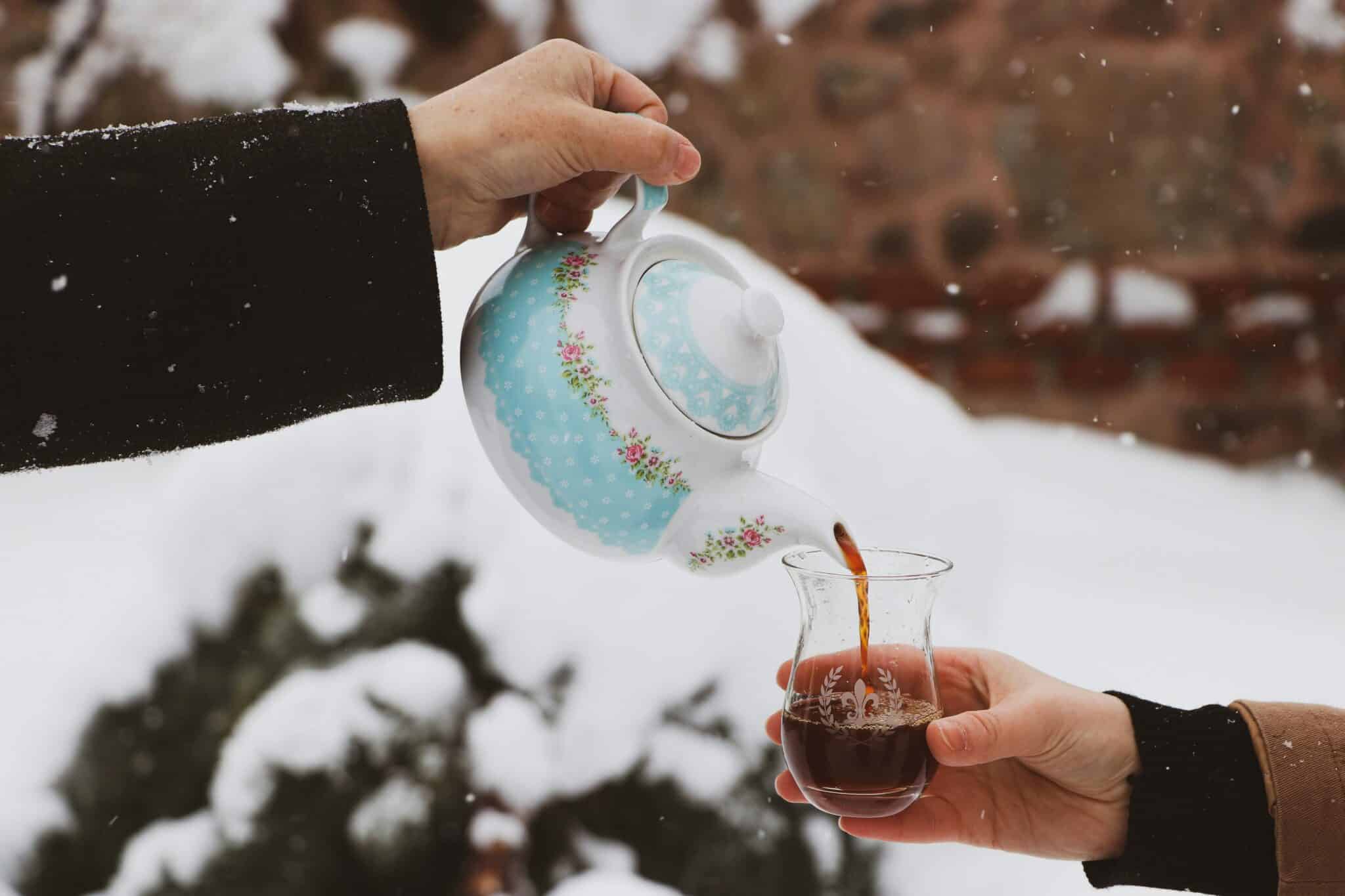
🎁 Sharing Warmth: Winter Tea Gifts and Gatherings
Winter tea makes a thoughtful gift that literally shares warmth with loved ones. Create custom tea blend jars with your favorite warming spice combinations, add a handwritten label with brewing instructions, and present them in reusable containers.
Hosting a winter tea party provides a cozy alternative to traditional holiday gatherings. Offer a selection of warming teas alongside simple baked goods, and encourage guests to try different blends while sharing what makes each one special.
These tea-centered gatherings create connection and warmth—both literal and metaphorical—during a season when many people struggle with isolation and seasonal depression. The simple act of sharing hot tea together has been bringing communities together for thousands of years across cultures worldwide.
As winter settles across America with its frost-covered mornings and early sunsets, having a repertoire of warming teas becomes more than just a beverage choice—it becomes a survival strategy and a source of daily comfort. Whether you prefer the fiery kick of ginger, the sweet complexity of chai, or the golden glow of turmeric, there’s a warming tea perfectly suited to help you not just survive but actually enjoy the coldest season.
Stock your pantry with quality ingredients, experiment with different combinations, and discover which warming brews become your winter favorites. Your body, mind, and spirit will thank you for the warmth.
