
Anúncios
Listening to AM/FM radio on your smartphone brings nostalgia and practicality together, offering instant access to live broadcasts, news, sports, and music wherever you go. 📻✨


In an era dominated by streaming services and podcasts, traditional radio remains a powerful medium. Whether you’re commuting, exercising, or relaxing at home, tuning into your favorite AM/FM stations on your mobile device keeps you connected to real-time content and local communities.
Anúncios
The beauty of mobile radio lies in its simplicity and immediacy. Unlike on-demand platforms, radio delivers spontaneous moments—breaking news, live sports commentary, interactive talk shows, and curated music sets. Understanding how to access these broadcasts on your smartphone opens up a world of entertainment and information that’s both timeless and incredibly relevant.
📡 Why AM/FM Radio Still Matters in the Smartphone Era
Despite the rise of digital streaming platforms, traditional radio broadcasting continues to thrive. AM and FM frequencies offer something unique: localized content, emergency broadcasts, and a sense of community that algorithm-driven playlists simply cannot replicate.
Anúncios
Radio stations provide hyper-local news, weather updates, traffic reports, and community announcements that streaming services don’t prioritize. During emergencies like natural disasters or severe weather events, AM/FM radio becomes a critical communication lifeline when internet connectivity fails.
Additionally, radio personalities create authentic connections with listeners. Morning shows, drive-time DJs, and late-night talk hosts develop loyal followings through their unique voices and interactive segments. This human element distinguishes radio from automated playlists.
For sports enthusiasts, live radio commentary delivers unmatched excitement. Baseball games, football matches, and other sporting events broadcast on AM/FM create immersive experiences, especially when you’re on the move and can’t watch screens.
🔍 Understanding How Radio Works on Mobile Devices
Most modern smartphones contain FM radio chips built directly into their hardware. However, many manufacturers and carriers disable this functionality, pushing users toward data-consuming streaming apps instead. This decision often goes unnoticed by average consumers.
When enabled, the FM chip allows your phone to receive broadcast signals directly, without using mobile data or WiFi. Your headphone cable acts as the antenna, which is why most FM-enabled devices require wired earbuds to function properly.
AM radio, on the other hand, typically isn’t supported by smartphone hardware due to different frequency requirements and antenna designs. To access AM stations, users must rely on internet-based streaming applications that broadcast these stations online.
Hardware vs. Streaming: What’s the Difference?
Hardware-based FM radio reception offers several advantages. It consumes minimal battery power, doesn’t require internet connectivity, and provides instant access without buffering delays. This makes it ideal for areas with poor cellular coverage or when conserving data.
Streaming radio apps, conversely, broadcast stations over the internet. While they require data connectivity and consume more battery, they offer unlimited station access from around the world, superior audio quality, and additional features like recording, pausing, and rewinding live broadcasts.
📲 Best Methods to Listen to Radio on Your Smartphone
Accessing AM/FM radio on mobile devices involves several approaches, each with distinct advantages. Understanding these options helps you choose the method that best suits your needs and device capabilities.
Using Built-in FM Radio Functionality
Some Android smartphones, particularly those from manufacturers like Samsung, LG, and Motorola, include native FM radio applications. These apps activate the embedded FM chip, allowing direct signal reception without internet connectivity.
To check if your device supports this feature, search your app drawer for applications named “FM Radio,” “Radio,” or similar. Connect wired headphones (which serve as the antenna), open the app, and scan for available stations in your area.
This method offers zero data consumption, making it perfect for users with limited data plans or those in areas with unreliable internet coverage. The listening experience mirrors traditional portable radios but with smartphone convenience.
Downloading Dedicated Radio Streaming Apps
For broader station access and enhanced features, radio streaming applications provide comprehensive solutions. These apps aggregate thousands of AM and FM stations worldwide, delivering them through internet streaming.
Popular options include Simple Radio, TuneIn Radio, iHeartRadio, and Radio.com. These platforms offer intuitive interfaces, station search functions, genre filters, and personalized recommendations based on listening habits.

Simple Radio stands out for its clean design and extensive station database. It provides access to over 40,000 radio stations from around the globe, including local AM/FM broadcasts, internet-only stations, and podcasts.
The app categorizes stations by location, genre, and popularity, making discovery effortless. Features like sleep timers, alarm clocks, and car mode enhance usability for different listening scenarios.
Accessing Station Websites and Official Apps
Many radio stations maintain their own websites and dedicated mobile applications. These platforms typically offer live streaming alongside exclusive content like podcasts, video streams, and interactive features.
Major broadcasting networks like NPR, BBC, ESPN Radio, and local station groups provide high-quality apps with additional programming beyond what airs on traditional frequencies. This approach works well if you have favorite stations you regularly follow.
🎧 Key Features to Look For in Radio Apps
When selecting a radio streaming application, certain features significantly enhance the listening experience. Prioritizing these capabilities ensures you get maximum value from your chosen platform.
Station Variety and Geographic Coverage
Comprehensive station libraries separate excellent apps from mediocre ones. Look for platforms offering extensive local, national, and international station selections across multiple genres including news, sports, talk, music, and specialty programming.
Geographic search functions help you find stations from specific cities or regions. This proves valuable when traveling, allowing you to explore local radio culture or stay connected with hometown stations while away.
Audio Quality and Streaming Options
Superior audio quality enhances enjoyment, especially for music-focused stations. Many premium radio apps offer multiple streaming quality options, letting you balance audio fidelity against data consumption.
Apps with adaptive streaming automatically adjust quality based on connection strength, preventing constant buffering interruptions during weak signal periods.
Recording and Time-Shifting Capabilities
Advanced applications include recording features that capture live broadcasts for later playback. This functionality helps you save special programs, interviews, or segments you can’t listen to in real-time.
Time-shifting features like pause and rewind transform live radio into on-demand content, providing flexibility traditional broadcasts never offered.
Personalization and Discovery Tools
Smart recommendation engines analyze your listening patterns and suggest new stations matching your preferences. Favorites lists, recent history, and custom playlists streamline access to preferred content.
Integration with social platforms allows sharing discoveries with friends and exploring what others enjoy, creating community around radio listening.
💡 Tips for Optimizing Your Mobile Radio Experience
Maximizing enjoyment from smartphone radio involves simple strategies that improve sound quality, conserve resources, and enhance convenience.
Managing Data Consumption
Streaming radio continuously consumes mobile data, potentially exhausting monthly allowances. Most apps use approximately 60-100 MB per hour at standard quality, while high-definition streams consume significantly more.
To minimize data usage, download stations’ apps that offer lower bitrate options specifically designed for mobile listening. Connect to WiFi networks whenever possible, especially for extended listening sessions.
Some applications include data-saving modes that reduce streaming quality while maintaining acceptable audio. Monitor your usage through your phone’s settings to avoid unexpected overage charges.
Extending Battery Life During Radio Sessions
Continuous streaming drains batteries faster than most activities. Reduce screen brightness, close unnecessary background apps, and enable battery saver modes to extend listening time.
Using wired headphones instead of Bluetooth conserves energy, as Bluetooth connectivity requires additional power. Consider investing in portable battery packs for all-day listening capabilities.
Improving Reception and Audio Quality
For hardware FM radio, fully extend your headphone cable and position yourself near windows or open spaces to strengthen signal reception. Metal buildings and underground locations significantly impair broadcast signals.
When streaming, stable internet connections prevent buffering. WiFi typically delivers more consistent performance than cellular data, particularly in areas with congested networks.
Quality headphones or external speakers dramatically improve audio enjoyment. While phone speakers work adequately, dedicated audio equipment reveals the full richness of broadcasts, especially for music programming.
🌍 Exploring Global Radio Through Your Smartphone
One of streaming radio’s greatest advantages is accessing stations from anywhere worldwide. This capability transforms your smartphone into a window onto global cultures, languages, and perspectives.
Listening to international stations exposes you to diverse music genres, foreign language practice opportunities, and alternative news perspectives. BBC World Service, Radio France Internationale, Deutsche Welle, and countless local stations broadcast in dozens of languages.
For travelers, tuning into destination stations before trips provides cultural immersion and practical information about local conditions, events, and attractions. Expatriates maintain connections with home countries through familiar radio voices and programming.
Music enthusiasts discover genres rarely heard on domestic stations. Caribbean reggae channels, African Afrobeat stations, Brazilian samba broadcasts, and Asian pop networks offer sonic adventures beyond mainstream offerings.
📻 The Future of Radio on Mobile Platforms
Radio broadcasting continues evolving alongside technology. Hybrid radio systems combine traditional AM/FM signals with internet streaming, offering seamless transitions between reception methods based on availability and quality.
HD Radio technology provides crystal-clear digital audio over FM frequencies while maintaining backward compatibility with conventional receivers. Some newer smartphones include HD Radio chips, though adoption remains limited.
5G networks promise enhanced streaming experiences with virtually zero latency, making internet radio indistinguishable from live broadcasts. Improved bandwidth enables higher audio quality without increased data consumption.
Artificial intelligence integration will personalize radio experiences further, curating station recommendations, creating custom news bulletins, and even generating interactive content based on listener preferences and behaviors.
🎵 Radio vs. Music Streaming: Complementary Experiences
While music streaming services like Spotify and Apple Music dominate listening habits, radio offers distinct advantages that keep it relevant and valuable.
Radio introduces unexpected discoveries. Unlike algorithm-driven playlists, live DJs and programmers curate diverse selections that expose listeners to artists and songs they wouldn’t independently seek. This serendipity creates magical moments of musical discovery.
Live sports, breaking news, and real-time commentary remain radio’s exclusive territory. Streaming services can’t replicate the immediacy and communal experience of experiencing events as they unfold through radio broadcasts.
Radio requires no subscription fees. While premium streaming services charge monthly costs, traditional and internet radio remain freely accessible, democratizing quality entertainment for everyone regardless of economic circumstances.
The two mediums complement rather than compete. Many listeners maintain both streaming subscriptions and radio apps, choosing between them based on mood, situation, and content preferences.
🚗 Radio Integration with Connected Vehicles
Modern cars increasingly integrate smartphone connectivity through systems like Android Auto and Apple CarPlay. These platforms seamlessly display radio apps on vehicle infotainment screens, providing safe, convenient access while driving.
Voice commands enable hands-free station changes, volume adjustments, and app navigation, maintaining focus on the road while enjoying broadcasts. This integration makes smartphone radio apps competitive with factory-installed car radios.
For older vehicles lacking smart systems, Bluetooth connections stream phone audio through car speakers. Affordable FM transmitters also broadcast phone audio to unused FM frequencies, creating wireless connections with factory radios.
🔐 Privacy Considerations When Using Radio Apps
Like most mobile applications, radio apps collect user data including listening habits, location information, and device details. Reading privacy policies helps you understand what information companies gather and how they use it.
Many free radio apps monetize through advertising, which relies on user data for targeting. Premium subscription options typically eliminate ads while reducing data collection, offering privacy-conscious alternatives.
Adjusting app permissions limits unnecessary data access. Disable location services when not needed for local station discovery, and review which apps can access your microphone, contacts, and other sensitive information.
🎙️ Supporting Local Radio Through Mobile Listening
Listening to local stations through smartphone apps contributes to their audience metrics, helping them attract advertisers and sponsors. Many community and independent stations rely heavily on listener support for survival.
Engaging with stations through social media, calling in during interactive programs, and participating in contests strengthens community bonds while supporting valuable local journalism and entertainment.
Consider donating to public radio stations whose programming you value. Organizations like NPR member stations depend on listener contributions to maintain quality, independent journalism and cultural programming.
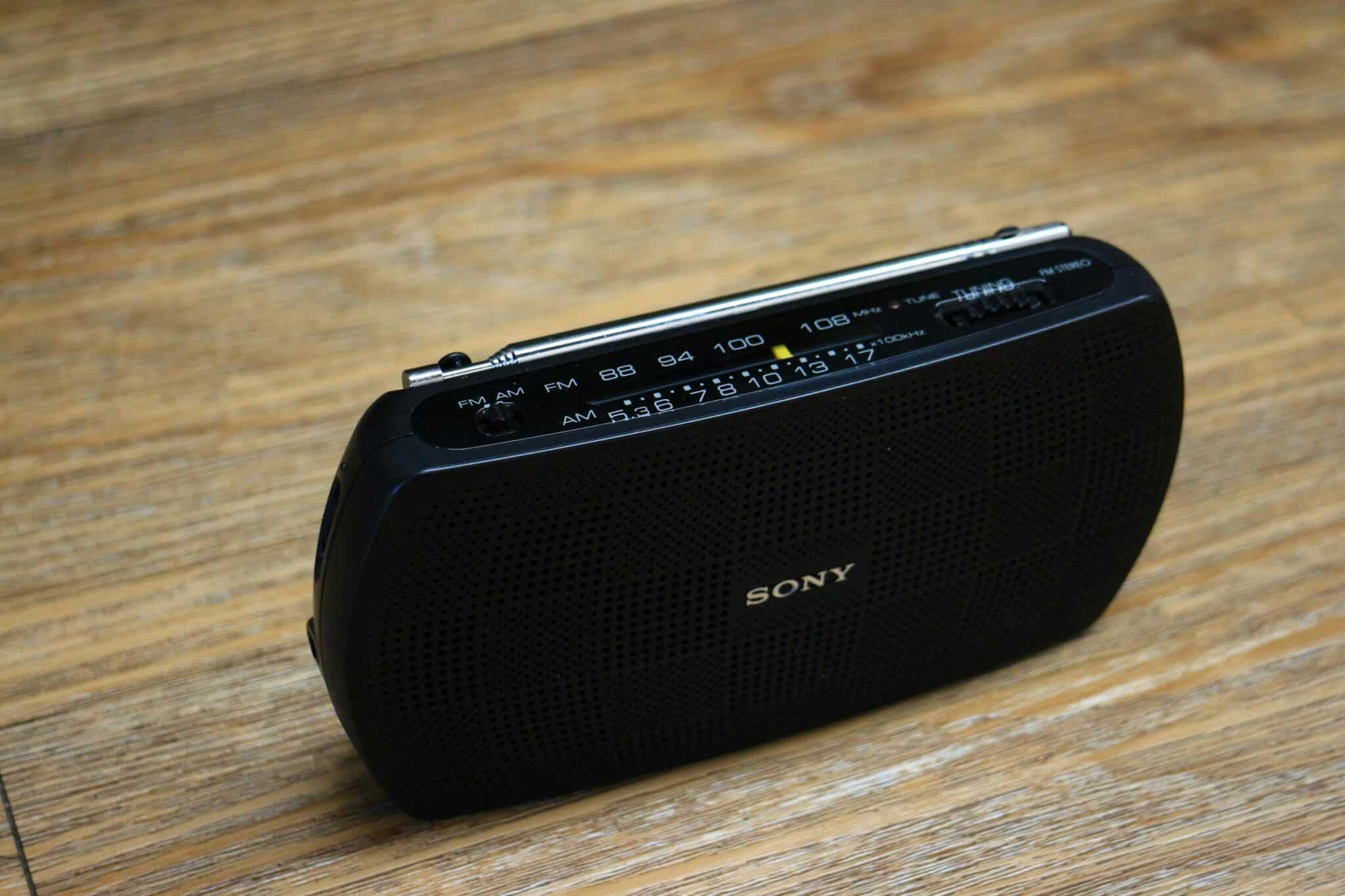
✨ Rediscovering the Joy of Radio Listening
In our hyper-personalized media landscape, radio’s unpredictability offers refreshing spontaneity. You never know exactly what you’ll hear next—a classic song, breaking news, an inspiring interview, or a laugh-out-loud comedy bit.
This element of surprise creates engagement that curated playlists struggle to match. Radio listening becomes an active experience rather than passive background noise, connecting you with broader communities sharing the same moments.
Whether you’re team AM for news and talk or team FM for music and entertainment, your smartphone transforms into a portable gateway to countless voices, perspectives, and sounds. The technology may be modern, but the magic of radio remains timelessly compelling.
Download a quality radio app today and rediscover why radio has captivated audiences for over a century. Your next favorite station, artist, or program might be just one scan away, waiting to soundtrack your daily adventures. 🎶📱
