
Anúncios
Living with diabetes can feel overwhelming, but the good news is that many people have successfully reversed their condition through lifestyle changes and dedicated commitment to their health.


Type 2 diabetes has become one of the most pressing health challenges of our time, affecting millions worldwide. However, emerging research and countless success stories demonstrate that this condition doesn’t have to be a lifelong sentence. With the right approach, determination, and support system, becoming an ex-diabetic is an achievable goal for many people.
Anúncios
The journey to reversing diabetes involves comprehensive lifestyle modifications that address the root causes of insulin resistance and elevated blood sugar levels. While the path requires dedication and consistency, the rewards extend far beyond normalized glucose readings—they include renewed energy, improved overall health, and freedom from constant medication management. Let’s explore the 12 essential steps that can guide you toward becoming an ex-diabetic. 🌟
Understanding What It Means to Reverse Diabetes
Before diving into the specific steps, it’s crucial to understand what diabetes reversal actually means. When we talk about becoming an ex-diabetic, we’re referring to achieving and maintaining normal blood glucose levels without medication. This state is sometimes called “diabetes remission” rather than a complete cure, because the predisposition to develop diabetes again remains if healthy habits are abandoned.
Anúncios
The medical community increasingly recognizes that type 2 diabetes can be reversed, particularly when caught early and addressed aggressively. Research shows that significant weight loss, dietary changes, and increased physical activity can restore insulin sensitivity and pancreatic function in many cases. The key is addressing the underlying metabolic dysfunction rather than simply managing symptoms with medication.
Step 1: Get a Comprehensive Health Assessment 🏥
Your journey begins with understanding exactly where you stand health-wise. Schedule a complete medical evaluation that includes fasting glucose levels, HbA1c tests, lipid panels, kidney function tests, and blood pressure measurements. This baseline assessment provides the roadmap for your reversal journey and helps identify any complications that need immediate attention.
Work closely with your healthcare provider to discuss your goal of reversing diabetes. Not everyone may be a candidate for complete reversal, but most people can achieve significant improvements. Your doctor can also help you safely reduce medications as your condition improves, which should never be done without medical supervision.
Step 2: Commit to a Low-Carbohydrate, Whole-Foods Diet
Dietary changes represent the most powerful tool in your diabetes reversal arsenal. The primary driver of elevated blood sugar is carbohydrate intake, particularly refined carbohydrates and sugars. Transitioning to a low-carbohydrate diet that emphasizes whole, unprocessed foods can produce dramatic improvements in glucose control within days or weeks.
Focus your meals around high-quality proteins, healthy fats, and non-starchy vegetables. Eliminate or drastically reduce bread, pasta, rice, potatoes, sugary beverages, and processed foods. Instead, build meals around foods like grass-fed meats, wild-caught fish, eggs, leafy greens, cruciferous vegetables, avocados, nuts, and olive oil. This approach naturally reduces insulin demand and allows your body to restore metabolic function.
Foods to Embrace vs. Foods to Avoid
| Embrace These Foods | Avoid These Foods |
|---|---|
| Leafy green vegetables | White bread and pasta |
| Fatty fish (salmon, mackerel) | Sugary drinks and juices |
| Eggs and poultry | Processed snacks and chips |
| Avocados and olive oil | Candy and desserts |
| Nuts and seeds | Breakfast cereals |
| Berries (in moderation) | White rice and potatoes |
Step 3: Implement Intermittent Fasting Protocols ⏰
Intermittent fasting has emerged as a powerful strategy for improving insulin sensitivity and promoting weight loss. By extending the time between meals, you give your body a break from constant insulin production and allow it to tap into fat stores for energy. This metabolic switch helps reverse insulin resistance over time.
Start with a simple 16:8 protocol, where you fast for 16 hours and eat within an 8-hour window. For example, you might eat your first meal at noon and finish dinner by 8 PM. As you become comfortable with this pattern, you can experiment with longer fasting periods or alternate-day fasting under medical supervision. Many people find that fasting also simplifies meal planning and reduces overall calorie intake naturally.
Step 4: Prioritize Weight Loss Through Caloric Deficit
For most people with type 2 diabetes, excess body weight—particularly visceral fat around the organs—plays a central role in the disease process. Research demonstrates that significant weight loss, often 10-15% of body weight or more, can lead to diabetes remission in many cases. The fat stored in and around the liver and pancreas directly impairs their function.
Creating a consistent caloric deficit through diet and exercise is essential. However, the quality of calories matters tremendously. A calorie from refined sugar affects your body very differently than a calorie from protein or healthy fat. Focus on nutrient-dense, satiating foods that keep you full while maintaining a moderate caloric deficit. Rapid initial weight loss under medical supervision can be particularly effective for jumpstarting reversal.

Step 5: Establish a Consistent Exercise Routine 💪
Physical activity is non-negotiable for diabetes reversal. Exercise improves insulin sensitivity, helps with weight loss, reduces stress, and provides cardiovascular benefits. Both aerobic exercise and resistance training offer unique advantages, so an ideal program includes both types.
Aim for at least 150 minutes of moderate-intensity aerobic activity per week, such as brisk walking, cycling, or swimming. Add resistance training 2-3 times weekly to build muscle mass, which acts as a glucose disposal system. Even small amounts of movement after meals can significantly blunt blood sugar spikes. Start where you are and gradually increase intensity and duration as your fitness improves.
Step 6: Monitor Blood Glucose Levels Regularly 📊
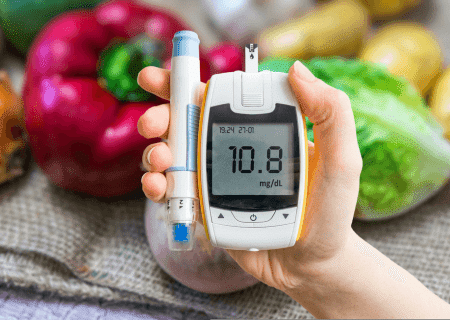
Frequent monitoring provides immediate feedback on how different foods, activities, and stress levels affect your blood sugar. This data empowers you to make informed decisions and see the direct results of your efforts. Initially, testing before and after meals helps identify which foods spike your glucose and should be avoided or limited.
Consider using a continuous glucose monitor (CGM) if possible, as these devices provide real-time data and reveal patterns that finger-stick testing might miss. Track your fasting glucose, post-meal readings, and HbA1c levels over time. Celebrate improvements and use setbacks as learning opportunities to refine your approach.
Step 7: Optimize Sleep Quality and Duration 😴
Poor sleep directly undermines diabetes reversal efforts by increasing insulin resistance, elevating stress hormones, and disrupting appetite regulation. Research shows that even a single night of inadequate sleep can significantly impair glucose metabolism. Chronic sleep deprivation makes weight loss harder and increases cravings for high-carbohydrate foods.
Prioritize 7-9 hours of quality sleep nightly. Establish a consistent sleep schedule, create a dark and cool sleeping environment, limit screen time before bed, and address any sleep disorders like sleep apnea. Many people find that as they lose weight and improve their diet, their sleep quality naturally improves, creating a positive feedback loop.
Step 8: Manage Stress Through Mind-Body Practices
Chronic stress elevates cortisol and other hormones that raise blood sugar and promote insulin resistance. Stress also tends to trigger emotional eating and disrupt healthy routines. Incorporating stress management techniques is essential for sustainable diabetes reversal.
Explore practices like meditation, deep breathing exercises, yoga, tai chi, or progressive muscle relaxation. Even 10-15 minutes daily can produce measurable benefits. Regular time in nature, engaging hobbies, and strong social connections also buffer against stress. Address major life stressors where possible and consider working with a therapist if needed.
Step 9: Stay Properly Hydrated Throughout the Day 💧
Adequate hydration supports kidney function, helps regulate blood sugar levels, and reduces false hunger signals. When dehydrated, blood becomes more concentrated, which can artificially elevate blood glucose readings. Water also helps flush excess glucose through urine and supports all metabolic processes.
Aim for at least 8-10 glasses of water daily, more if you’re active or in hot climates. Start your day with water, drink a glass before meals, and carry a water bottle throughout the day. Unsweetened herbal teas and sparkling water count toward your hydration goals. Avoid sugary drinks, fruit juices, and excessive caffeine, which can interfere with blood sugar control.
Step 10: Supplement Strategically with Medical Guidance
While food should be your primary source of nutrients, certain supplements may support diabetes reversal when used appropriately. Vitamin D deficiency is common in people with diabetes and correcting it may improve insulin sensitivity. Magnesium plays a crucial role in glucose metabolism, and many people don’t get enough from diet alone.
Other supplements with research support include alpha-lipoic acid, chromium, berberine, and omega-3 fatty acids. However, supplements can interact with medications and aren’t appropriate for everyone. Always consult your healthcare provider before starting any supplement regimen, and choose high-quality products from reputable manufacturers.
Step 11: Build a Strong Support System 🤝
Reversing diabetes requires significant lifestyle changes that are much easier to maintain with support from others. Share your goals with family and friends, and ask for their encouragement. Consider joining a diabetes reversal program or support group where you can connect with others on similar journeys.
Having an accountability partner can dramatically improve your success rate. This might be a friend, family member, health coach, or online community. Regular check-ins help you stay motivated during challenging times and celebrate victories along the way. Don’t try to do this alone—humans are social creatures who thrive with connection and support.
Step 12: Commit to Long-Term Lifestyle Maintenance
Perhaps the most critical step is understanding that diabetes reversal isn’t a temporary fix but a permanent lifestyle transformation. Once you achieve normal blood sugar levels and come off medications, the habits that got you there must continue. Diabetes reversal is maintained through ongoing commitment to healthy eating, regular exercise, stress management, and other positive behaviors.
View this not as deprivation but as investing in your health, energy, and longevity. The longer you maintain these habits, the more natural they become. Many people report that after several months, they no longer crave the foods that contributed to their diabetes and genuinely prefer their new lifestyle. Plan for occasional setbacks without self-judgment, and simply return to your healthy habits as quickly as possible.
Creating Your Personalized Action Plan ✍️
These 12 steps provide a comprehensive framework, but your journey will be unique. Some steps may be easier for you than others, and that’s perfectly normal. Start by choosing 2-3 steps that feel most manageable and build from there. Small, consistent actions compound over time into remarkable transformations.
Consider working with a functional medicine practitioner, certified diabetes educator, or health coach who specializes in diabetes reversal. These professionals can help you create a personalized plan, adjust strategies based on your progress, and provide accountability. Document your journey through photos, measurements, and journal entries to track non-scale victories like increased energy, better sleep, and improved mood.
Understanding the Timeline for Results ⏳
Many people wonder how quickly they can expect to see results. Some improvements, like reduced post-meal blood sugar spikes, may occur within days of dietary changes. Significant weight loss and medication reductions typically happen over weeks to months. Complete remission with normal HbA1c levels without medication often requires 6-12 months or longer, depending on how long you’ve had diabetes and your individual metabolic condition.
Be patient with the process while remaining consistent with your efforts. Progress isn’t always linear—you may experience plateaus or temporary setbacks. What matters most is the overall trend over time. Celebrate every improvement, whether it’s losing a few pounds, reducing medication doses, or simply feeling more energetic and in control of your health.
The Science Behind Diabetes Reversal Success
Understanding the mechanisms behind diabetes reversal can strengthen your motivation. When you reduce carbohydrate intake dramatically, your body must find alternative fuel sources, primarily fat. This metabolic shift reduces insulin demand and allows insulin-producing beta cells in your pancreas to recover. Simultaneously, weight loss—especially around the liver and pancreas—removes the fat deposits that impair organ function.
Exercise creates additional glucose uptake pathways that don’t depend on insulin, while also building muscle tissue that serves as a glucose reservoir. Improved sleep and stress management lower cortisol and other counter-regulatory hormones that normally raise blood sugar. All these interventions work synergistically to restore metabolic health at a fundamental level rather than just masking symptoms.
Navigating Social Situations and Special Occasions 🎉
One common challenge in maintaining a diabetes-reversal lifestyle is managing social events, holidays, and dining out. Planning ahead makes these situations much easier. Before attending events, eat a healthy meal so you’re not arriving hungry. Bring a diabetes-friendly dish to share at gatherings. When dining out, don’t hesitate to ask for modifications like substituting vegetables for starches.
Remember that occasional deviations won’t derail your progress if you quickly return to your healthy routine. The goal is sustainable lifestyle change, not perfection. Over time, you’ll develop strategies that work for your social life while maintaining your health priorities. Many people find that their improved health and energy become the best advertisement for their lifestyle, inspiring others to make similar changes.
Embracing Your New Identity as a Healthy Person
As you progress on this journey, you’ll begin to see yourself differently—not as a diabetic managing a chronic disease, but as a healthy person who makes empowered choices. This identity shift is powerful and helps reinforce your new habits. You’re not following a restrictive diet; you’re fueling your body optimally. You’re not forcing yourself to exercise; you’re celebrating what your body can do.
Becoming an ex-diabetic is about reclaiming your health and taking control of your future. It’s about breaking free from medication dependence and the constant worry about complications. It’s proof that your body has remarkable healing capacity when given the right conditions. While the journey requires effort and commitment, the freedom and vitality you gain are worth every step along the way. Your healthier, more energetic future self is waiting—take that first step today. 🌈
