
Anúncios
Reversing diabetes is no longer just a distant dream—it’s a real, achievable goal for many people willing to commit to meaningful lifestyle changes. 12 Steps to Becoming an Ex-Diabetic.


Type 2 diabetes has long been considered a chronic, progressive disease. However, emerging research and countless success stories reveal that with the right approach, many individuals can achieve remission—essentially becoming “ex-diabetics.” This doesn’t mean the condition is cured forever, but rather that blood sugar levels return to normal ranges without medication.
Anúncios
The journey requires dedication, education, and a willingness to transform daily habits. While not everyone will achieve complete remission, the vast majority can significantly improve their health markers, reduce medication dependence, and reclaim their vitality. Let’s explore the 12 essential steps that can guide you toward diabetes reversal.
🩺 Step 1: Get a Complete Medical Assessment
Before embarking on any diabetes reversal program, schedule a comprehensive evaluation with your healthcare provider. This baseline assessment should include fasting glucose levels, HbA1c measurements, insulin resistance markers, lipid profiles, kidney function tests, and blood pressure readings.
Anúncios
Understanding where you currently stand gives you a clear starting point and helps identify any complications that need special attention. Your doctor can also review current medications and discuss how they might be adjusted as your condition improves.
This initial step isn’t just about numbers—it’s about building a collaborative relationship with your healthcare team. They’ll be essential partners throughout your journey, monitoring progress and ensuring changes are made safely.
🍽️ Step 2: Adopt a Low-Carbohydrate Eating Pattern
Carbohydrates have the most significant impact on blood sugar levels. Reducing carb intake—particularly refined carbohydrates and sugars—is arguably the most powerful dietary intervention for diabetes reversal.
Focus on eliminating or drastically reducing bread, pasta, rice, potatoes, sugary beverages, and processed foods. Replace these with nutrient-dense whole foods like leafy greens, non-starchy vegetables, quality proteins, and healthy fats.
Many people find success with ketogenic or very low-carb diets, where daily carbohydrate intake drops below 50 grams. Others prefer a moderate approach, staying under 100-130 grams daily. The key is finding a sustainable level that normalizes your blood sugar without making you feel deprived.
Sample Low-Carb Meal Structure
- Breakfast: Eggs with avocado and spinach
- Lunch: Grilled chicken salad with olive oil dressing
- Dinner: Baked salmon with roasted broccoli and cauliflower
- Snacks: Nuts, cheese, or vegetables with guacamole
⏰ Step 3: Implement Intermittent Fasting
Intermittent fasting involves cycling between periods of eating and voluntary fasting on a regular schedule. This practice can significantly improve insulin sensitivity and promote weight loss—two critical factors in diabetes reversal.
Start with a simple 12-hour overnight fast, then gradually extend to 14 or 16 hours. The popular 16:8 method means eating all your meals within an 8-hour window and fasting for the remaining 16 hours each day.
Fasting gives your body extended periods without insulin spikes, allowing cells to become more sensitive to insulin when you do eat. It also triggers cellular repair processes and can reduce inflammation throughout the body.

🏃♀️ Step 4: Incorporate Regular Physical Activity
Exercise is medicine when it comes to diabetes reversal. Physical activity helps muscles absorb glucose without requiring insulin, effectively lowering blood sugar levels immediately and improving insulin sensitivity over time.
Aim for at least 150 minutes of moderate-intensity exercise weekly. This could include brisk walking, swimming, cycling, or dancing. Additionally, incorporate resistance training 2-3 times per week to build muscle mass, which increases your body’s glucose storage capacity.
You don’t need a gym membership or fancy equipment. Bodyweight exercises, resistance bands, or even household items can provide excellent strength training. The key is consistency—regular movement matters more than occasional intense workouts.
⚖️ Step 5: Achieve Sustainable Weight Loss
Excess body fat, particularly visceral fat around organs, drives insulin resistance. Losing just 5-10% of your body weight can produce significant improvements in blood sugar control and may be enough for some people to achieve remission.
Focus on gradual, sustainable weight loss rather than crash diets. When you combine low-carb eating with intermittent fasting and regular exercise, weight loss often happens naturally without calorie counting or feeling hungry.
Remember that the goal isn’t just a number on the scale—it’s reducing the metabolic burden on your body and restoring proper hormonal function. Muscle preservation during weight loss is crucial, which is why protein intake and strength training are so important.
😴 Step 6: Prioritize Quality Sleep
Poor sleep wreaks havoc on blood sugar regulation. Even a single night of inadequate sleep can temporarily increase insulin resistance and elevate morning glucose levels.
Aim for 7-9 hours of quality sleep nightly. Establish a consistent sleep schedule, create a dark and cool sleeping environment, and eliminate screens at least an hour before bed. Address sleep disorders like sleep apnea, which is common among diabetics and significantly impairs metabolic health.
Sleep is when your body performs critical repair and regulatory functions. Adequate rest supports hormonal balance, reduces inflammation, and helps regulate the appetite hormones that influence food choices and portion control.
🧘♂️ Step 7: Manage Stress Effectively
Chronic stress elevates cortisol, a hormone that raises blood sugar levels and promotes insulin resistance. The stress response literally dumps glucose into your bloodstream—helpful if you’re fleeing danger, but problematic when stress is constant.
Develop a stress management practice that works for you. This might include meditation, deep breathing exercises, yoga, nature walks, journaling, or engaging in hobbies you enjoy. Even 10 minutes daily can make a measurable difference.
Don’t underestimate the impact of psychological stress on physical health. Many people find that addressing emotional eating patterns and learning healthier coping mechanisms is just as important as dietary changes for achieving diabetes remission.
💧 Step 8: Stay Properly Hydrated
Adequate hydration supports kidney function and helps your body eliminate excess glucose through urine. Dehydration can concentrate blood sugar and make readings appear higher than they actually are.
Drink water throughout the day, aiming for at least 8 glasses or more depending on your activity level and climate. Avoid sugary beverages entirely, and limit artificial sweeteners which may still trigger insulin responses in some people.
Proper hydration also supports energy levels, cognitive function, and can help distinguish between true hunger and thirst. Many people eat when they’re actually just dehydrated.
📊 Step 9: Monitor Your Progress Consistently
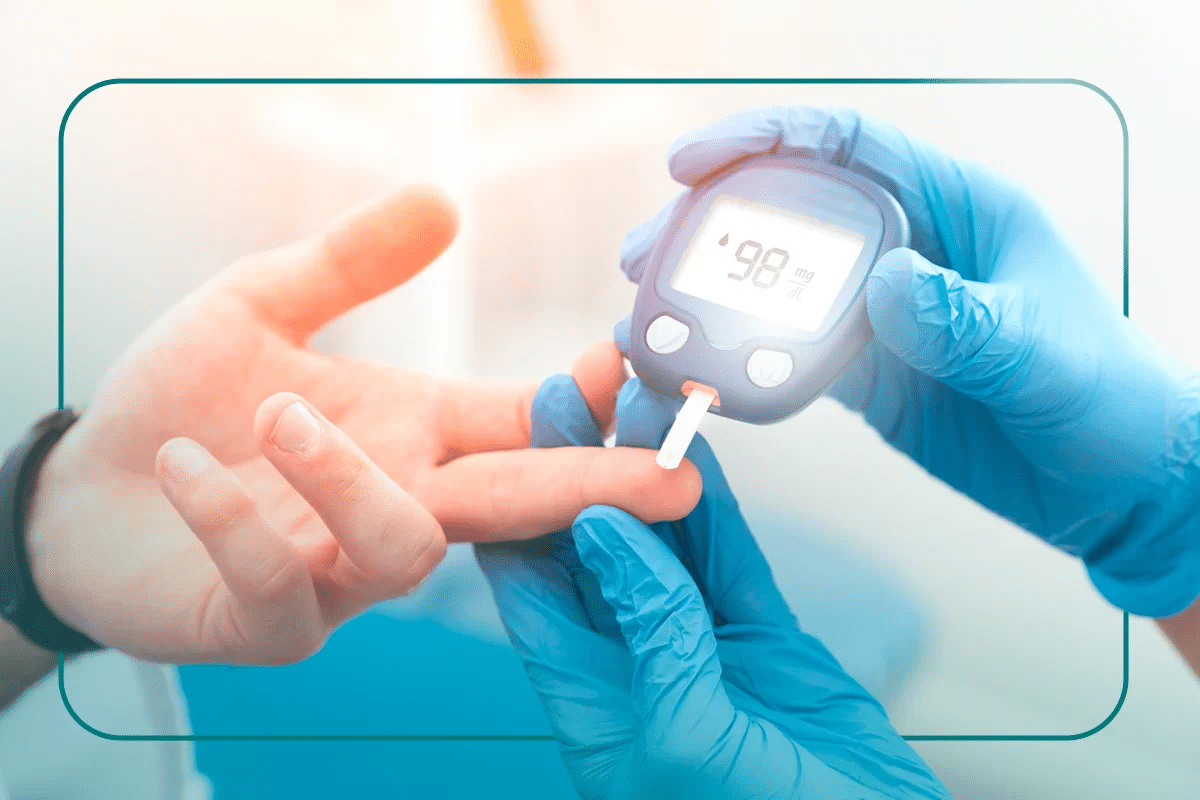
Regular blood sugar monitoring provides valuable feedback about how your body responds to different foods, activities, and lifestyle factors. This data empowers you to make informed decisions and adjustments.
Test your blood sugar at various times—fasting, before meals, and two hours after eating. Track the results along with what you ate and your activities. Patterns will emerge that help you identify your personal triggers and successes.
Beyond glucose monitoring, track other metrics like weight, waist circumference, energy levels, sleep quality, and how you feel overall. Diabetes reversal isn’t just about numbers—it’s about reclaiming your health and vitality.
Key Metrics to Monitor
| Metric | Target Range | Frequency |
|---|---|---|
| Fasting Glucose | 70-99 mg/dL | Daily initially |
| Post-Meal Glucose | Below 140 mg/dL | After new foods |
| HbA1c | Below 5.7% | Every 3 months |
| Weight | Steady decline | Weekly |
🥗 Step 10: Focus on Nutrient Density
It’s not just about what you remove from your diet—it’s equally important to add nutrient-rich foods that support metabolic healing. Prioritize foods high in vitamins, minerals, antioxidants, and fiber.
Leafy greens, cruciferous vegetables, colorful peppers, berries, fatty fish, nuts, seeds, and quality animal proteins should form the foundation of your meals. These foods provide the raw materials your body needs to repair cellular damage and optimize function.
Consider supplementation if you have identified deficiencies. Magnesium, vitamin D, omega-3 fatty acids, and chromium are particularly important for glucose metabolism. Always discuss supplements with your healthcare provider to avoid interactions with medications.
🤝 Step 11: Build a Support System
Reversing diabetes is challenging, and having support makes success far more likely. Share your goals with family and friends who can encourage you and respect your dietary choices.
Consider joining a support group—either in person or online—where you can connect with others on similar journeys. Sharing experiences, recipes, challenges, and victories creates accountability and provides motivation during difficult moments.
Work with professionals who understand diabetes reversal. Not all healthcare providers are familiar with or supportive of this approach, so finding ones who are can make a tremendous difference in your confidence and outcomes.
🔄 Step 12: Commit to Long-Term Lifestyle Change
Perhaps the most important step is recognizing that diabetes reversal requires permanent lifestyle changes, not a temporary diet. The habits that led to diabetes will lead back to diabetes if you return to them.
Approach this as a new way of living rather than a restrictive program you endure until you’re “fixed.” Find ways to enjoy your new eating pattern, discover physical activities you genuinely like, and create routines that feel sustainable indefinitely.
Remission doesn’t mean you’re immune to diabetes forever. Your genetic predisposition remains, so maintaining the lifestyle changes that achieved reversal is essential for keeping it at bay. Think of it as managing a condition through lifestyle rather than medication—still requiring diligence, but with far better quality of life.
🌟 The Reality of Diabetes Reversal
Achieving diabetes remission is entirely possible for many people with type 2 diabetes, especially those who haven’t had the condition for decades. The earlier you intervene with aggressive lifestyle changes, the better your chances of complete reversal.
Studies show that significant carbohydrate restriction, weight loss, and increased physical activity can normalize blood sugar levels in as little as a few weeks to months. Some people are able to discontinue all diabetes medications under medical supervision, while others may reduce their doses substantially.
Success rates vary based on individual factors like duration of diabetes, genetic predisposition, age, and commitment level. But even if complete remission isn’t achieved, following these steps will dramatically improve health outcomes, reduce complications, and enhance quality of life.
💪 Your Journey Starts Now
Becoming an ex-diabetic isn’t about perfection—it’s about progress and persistence. There will be setbacks and challenges, but each healthy choice moves you closer to your goal. The body has remarkable healing capacity when given the right conditions.
Start with one or two steps that feel most manageable, then gradually incorporate others as you build confidence and see results. Small, consistent changes compound into transformative outcomes over time.
Your health is worth the effort. Diabetes reversal offers freedom from medications, reduced risk of serious complications, increased energy, better mood, and the empowering knowledge that you’ve taken control of your wellbeing. These 12 steps provide the roadmap—now it’s time to take the first step on your journey to becoming an ex-diabetic.
