
Anúncios
Joint pain affects millions worldwide, impacting daily activities and overall quality of life. Fortunately, nature offers a gentle remedy through therapeutic teas with anti-inflammatory properties.


For centuries, traditional medicine has relied on herbal teas to address various ailments, including arthritis and inflammatory conditions. These natural beverages contain powerful compounds that can reduce swelling, ease discomfort, and support joint health without the harsh side effects often associated with pharmaceutical options.
Anúncios
Whether you’re dealing with osteoarthritis, rheumatoid arthritis, or general joint stiffness from aging or exercise, incorporating specific teas into your daily routine may provide significant relief. Let’s explore the most effective options backed by both traditional wisdom and modern research. ☕
Understanding How Tea Helps Joint Pain
Before diving into specific varieties, it’s important to understand the mechanisms behind tea’s therapeutic effects. Most beneficial teas contain polyphenols, antioxidants, and anti-inflammatory compounds that target the root causes of joint discomfort rather than simply masking symptoms.
Anúncios
These bioactive substances work by inhibiting inflammatory pathways in the body, particularly the production of cytokines and enzymes that contribute to cartilage breakdown. Additionally, antioxidants combat oxidative stress, which plays a significant role in joint degradation over time.
The beauty of tea therapy lies in its cumulative effect. Regular consumption allows these beneficial compounds to build up in your system, providing ongoing protection and relief. Unlike pain medications that offer temporary relief, teas support long-term joint health when consumed consistently.
Green Tea: The Antioxidant Powerhouse 🍵
Green tea stands out as one of the most researched beverages for joint health. Its high concentration of epigallocatechin-3-gallate (EGCG) makes it particularly effective against inflammatory conditions.
Studies have shown that EGCG can inhibit the production of molecules that cause joint damage in rheumatoid arthritis. This powerful antioxidant also protects cartilage from breaking down, potentially slowing the progression of osteoarthritis.
For optimal benefits, aim to drink 2-3 cups of green tea daily. Steep your tea for 3-5 minutes in water that’s around 175°F (80°C) to extract the maximum amount of beneficial compounds without creating bitterness. Adding a squeeze of lemon can enhance the absorption of catechins, making your tea even more effective.
Japanese matcha, a powdered form of green tea, offers even higher concentrations of beneficial compounds since you’re consuming the entire leaf rather than just an infusion. This makes it an excellent choice for those seeking maximum therapeutic impact.
Ginger Tea: Nature’s Anti-Inflammatory
Ginger has been used medicinally for thousands of years, and modern science confirms its remarkable anti-inflammatory properties. The active compounds gingerol and shogaol work similarly to non-steroidal anti-inflammatory drugs (NSAIDs) but without the gastrointestinal side effects.
Research indicates that ginger can significantly reduce pain in people with osteoarthritis of the knee. It works by blocking inflammatory pathways and may even help reduce the stiffness that many people experience, especially in the morning.
To make fresh ginger tea, slice a 1-2 inch piece of fresh ginger root and simmer it in water for 10-15 minutes. The longer you steep, the stronger the flavor and therapeutic benefits. You can add honey or a cinnamon stick for enhanced taste and additional anti-inflammatory properties.
For convenience, ginger tea bags are readily available, though fresh ginger typically provides more potent effects. Drinking ginger tea before bed may help reduce overnight inflammation, leading to less morning stiffness.

Turmeric Tea: The Golden Healer ✨
Turmeric contains curcumin, one of nature’s most powerful anti-inflammatory compounds. This bright yellow spice has been a cornerstone of Ayurvedic medicine for treating joint pain and inflammatory conditions.
Clinical trials have demonstrated that curcumin can be as effective as some anti-inflammatory medications for reducing arthritis symptoms. It works by blocking inflammatory cytokines and enzymes, including COX-2, which is the target of many prescription arthritis drugs.
The challenge with turmeric is bioavailability—your body doesn’t easily absorb curcumin on its own. However, adding black pepper increases absorption by up to 2000%. When making turmeric tea, always include a pinch of black pepper and consider adding a healthy fat like coconut oil or milk to further enhance absorption.
Golden milk, a traditional drink combining turmeric with warm milk, ginger, cinnamon, and honey, provides a delicious way to consume this therapeutic spice. Many people find that drinking turmeric tea in the evening helps reduce overnight inflammation and morning stiffness.
Willow Bark Tea: Nature’s Aspirin
Willow bark has been used for pain relief since ancient times, and for good reason—it contains salicin, a compound that converts to salicylic acid in the body, the same active ingredient found in aspirin.
This natural pain reliever can be particularly helpful for those with osteoarthritis and lower back pain. Unlike synthetic aspirin, willow bark contains other compounds that work synergistically with salicin, potentially providing relief with fewer side effects.
Willow bark tea has a bitter taste, so many people prefer to add honey or blend it with other more palatable herbs. Start with a lower dose to assess your tolerance, as some individuals may experience stomach upset, especially if taken on an empty stomach.
It’s important to note that anyone allergic to aspirin should avoid willow bark. Additionally, it shouldn’t be combined with blood thinners or given to children due to the risk of Reye’s syndrome.
Boswellia Tea: The Frankincense Solution
Boswellia, also known as Indian frankincense, has been used in traditional medicine for centuries to treat inflammatory conditions. The active compounds called boswellic acids have demonstrated remarkable effects on reducing joint inflammation.
Research shows that Boswellia can improve pain, function, and stiffness in people with osteoarthritis. It works by inhibiting leukotrienes, inflammatory molecules that contribute to joint damage and pain.
Boswellia tea can be made from the resin or purchased as prepared tea bags. The flavor is mild and slightly woody, making it easy to incorporate into your daily routine. Some people prefer to mix it with other therapeutic teas for enhanced benefits and improved taste.
Clinical studies suggest that it may take 4-8 weeks of consistent use to experience the full benefits of Boswellia, so patience and regularity are key to success with this herbal remedy.
Rosehip Tea: Vitamin C for Joint Health 🌹
Rosehips, the fruit of the rose plant, are packed with vitamin C, antioxidants, and anti-inflammatory compounds. This makes rosehip tea particularly beneficial for joint health and cartilage protection.
Studies have found that rosehip powder can reduce pain and stiffness in people with osteoarthritis, potentially due to a specific galactolipid that has anti-inflammatory properties. The high vitamin C content also supports collagen production, which is essential for maintaining healthy cartilage.
Rosehip tea has a pleasant, slightly tart flavor that many people find refreshing. It can be enjoyed hot or cold and blends well with hibiscus or other fruity teas. For joint pain, aim to drink 2-3 cups daily to experience the full therapeutic benefits.
Beyond joint health, rosehip tea supports immune function and skin health, making it a wonderful addition to your wellness routine for multiple reasons.
Cat’s Claw Tea: The Amazonian Secret
Cat’s claw, a woody vine native to the Amazon rainforest, has been used by indigenous peoples for generations to treat inflammation and arthritis. The plant contains compounds that inhibit inflammatory processes and support immune function.
Research suggests that cat’s claw can reduce pain and swelling associated with rheumatoid arthritis. It works by blocking the production of inflammatory substances called prostaglandins while also providing antioxidant protection.
When brewing cat’s claw tea, use the inner bark and steep for at least 15 minutes to extract the beneficial compounds. The taste is earthy and woody, so you might want to add honey or combine it with more flavorful herbs.
Some people may experience mild digestive upset when first starting cat’s claw tea. Begin with smaller amounts and gradually increase as your body adjusts to this powerful herbal remedy.
Nettle Tea: The Mineral-Rich Remedy 🌿
Stinging nettle might be known for its irritating leaves, but when prepared as tea, it becomes a gentle yet effective remedy for joint pain. Nettle is rich in minerals, particularly silica, which supports connective tissue health.
Traditional herbalists have long recommended nettle for arthritis, and modern research supports this use. Studies show that nettle can reduce inflammatory markers and provide pain relief comparable to some conventional medications.
Nettle tea has a mild, slightly grassy flavor that most people find pleasant. It’s naturally caffeine-free, making it suitable for evening consumption. The tea can be enjoyed hot or used as a base for herbal blends.
For best results, drink nettle tea consistently over several weeks. Many people report reduced joint stiffness and improved mobility after regular consumption. The diuretic properties of nettle may also help reduce swelling around inflamed joints.
Black Tea: The Unexpected Ally
While green tea often steals the spotlight, black tea also offers significant benefits for joint health. It contains theaflavins and thearubigins, powerful antioxidants that form during the fermentation process.
Research indicates that the polyphenols in black tea can help reduce inflammation and protect cartilage from damage. While black tea contains less EGCG than green tea, its unique compounds provide complementary benefits.
Black tea also contains moderate amounts of caffeine, which can provide a gentle energy boost while you’re managing pain. Some studies suggest that moderate caffeine consumption may actually reduce the risk of developing gout, a painful form of inflammatory arthritis.
Choose high-quality loose-leaf black tea over heavily processed tea bags to maximize the antioxidant content. Brewing time matters—steep for 3-5 minutes for optimal flavor and health benefits.
Creating Your Personal Tea Blend
One of the most effective approaches to using tea for joint pain is combining multiple beneficial herbs. This allows you to target inflammation through different pathways while creating a more complex and enjoyable flavor profile.
A simple anti-inflammatory blend might include green tea, ginger, turmeric, and a touch of cinnamon. For evening use, try combining caffeine-free options like nettle, rosehip, and chamomile for relaxation along with joint support.
Experiment with proportions to find what works best for your taste preferences and therapeutic needs. Keep a journal to track which combinations provide the most relief, as individual responses can vary significantly.
Consider rotating different teas throughout the week to benefit from diverse compounds and prevent tolerance from developing to any single herb.
Maximizing the Benefits of Tea Therapy
To get the most from your therapeutic teas, consistency is crucial. Unlike pharmaceutical pain relievers that work immediately, herbal teas provide cumulative benefits that build over time.
Drink your chosen tea at the same time each day to establish a routine. Many people find that morning tea helps reduce stiffness, while evening consumption prevents overnight inflammation.
Quality matters significantly when it comes to therapeutic teas. Choose organic varieties whenever possible to avoid pesticides and ensure maximum potency. Store your teas in airtight containers away from light and moisture to preserve their beneficial compounds.
Remember that tea is most effective as part of a comprehensive approach to joint health. Combine your tea routine with appropriate exercise, a balanced diet rich in omega-3 fatty acids, adequate hydration, and proper rest for optimal results.
Important Considerations and Precautions ⚠️
While herbal teas are generally safe, some can interact with medications or may not be suitable for everyone. If you’re taking blood thinners, be cautious with willow bark, turmeric, and ginger, as they can enhance anticoagulant effects.
Pregnant and breastfeeding women should consult healthcare providers before using medicinal teas, as some herbs may not be safe during these periods. People with autoimmune conditions should be particularly careful with immune-modulating herbs like cat’s claw.
Start with one tea at a time to assess your individual response and watch for any adverse reactions. While rare, some people may experience allergic reactions or digestive upset from certain herbs.
If you’re managing chronic joint pain, work with a healthcare provider to develop a comprehensive treatment plan. Herbal teas can be an excellent complementary therapy, but they shouldn’t replace necessary medical treatments for serious conditions.
Building a Sustainable Tea Ritual for Joint Health
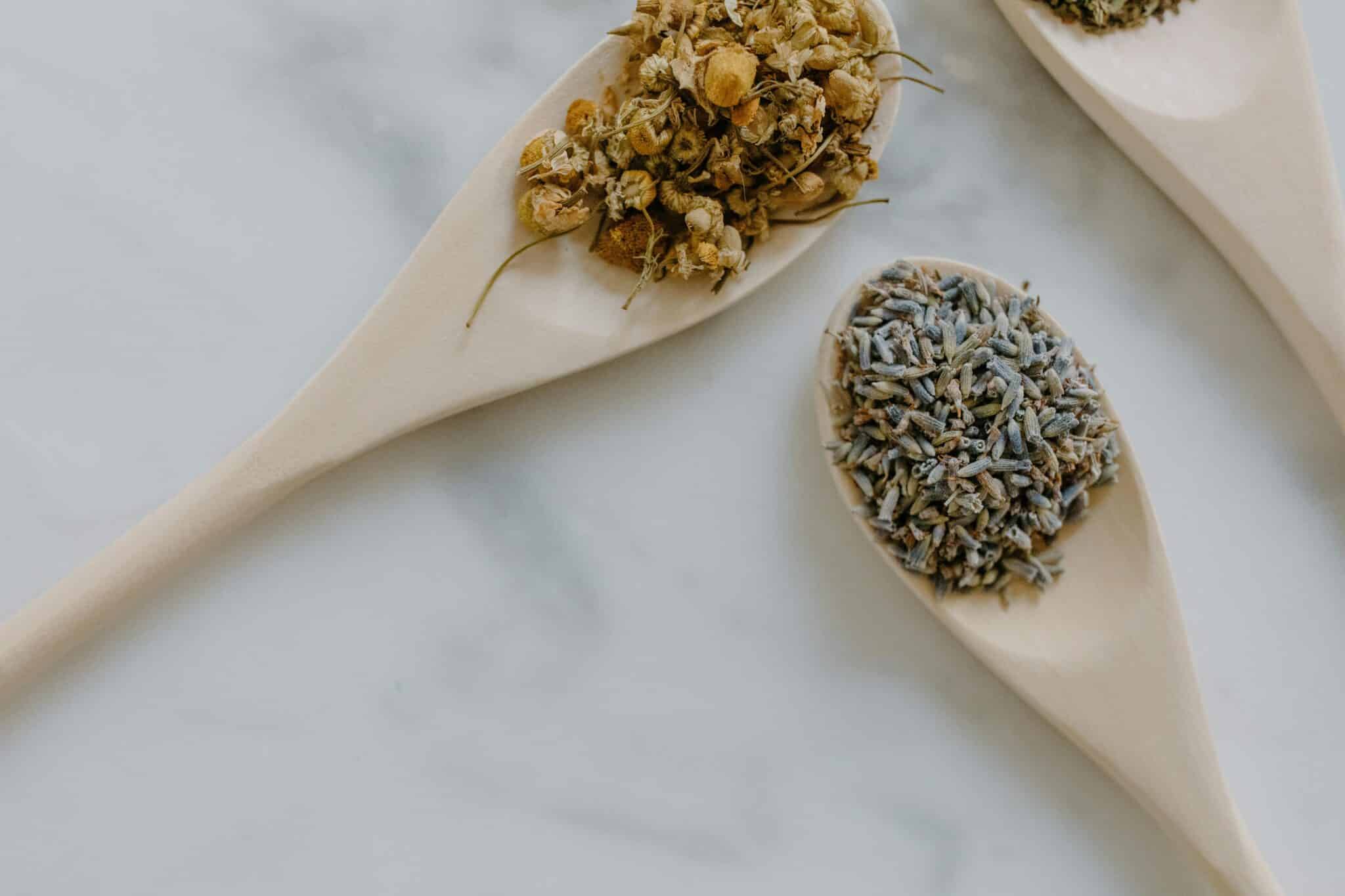
Creating a daily tea ritual can transform your approach to managing joint pain from a chore into a cherished self-care practice. Set aside quiet moments to prepare and enjoy your tea mindfully, allowing the warmth and aroma to contribute to your overall sense of wellbeing.
Invest in quality brewing equipment—a good teapot, infuser, and favorite mug can make the experience more enjoyable. Consider creating a dedicated tea station in your kitchen with all your therapeutic herbs organized and easily accessible.
Track your progress by noting pain levels, stiffness, and mobility in a journal. Over weeks and months, you’ll likely notice patterns and improvements that motivate you to maintain your tea therapy routine.
Share your tea ritual with family or friends who may also benefit from natural approaches to joint health. The social aspect of sharing tea can provide emotional support while you navigate the challenges of living with joint pain.
Remember that natural remedies work best when given time and consistency. Be patient with the process, and celebrate small improvements along the way. Your joints deserve the gentle, sustained care that therapeutic teas provide, and your body will thank you for choosing this natural path to wellness. 💚
