
Anúncios
Reversing diabetes is not just a dream—it’s a real, achievable goal for many people living with type 2 diabetes today.


The journey to becoming an ex-diabetic requires commitment, lifestyle changes, and a clear understanding of how your body responds to food, movement, and stress. While the term “ex-diabetic” isn’t medically official, it refers to achieving diabetes remission—where blood sugar levels return to normal ranges without medication.
Anúncios
This transformation is possible through strategic steps that address the root causes of insulin resistance and metabolic dysfunction. Let’s explore the 12 powerful steps that can help you reclaim your health and potentially reverse type 2 diabetes. 🌟
🍽️ Step 1: Embrace a Low-Carbohydrate Eating Pattern
Carbohydrates have the most significant impact on blood sugar levels. When you eat foods high in refined carbs and sugars, your blood glucose spikes, forcing your pancreas to produce more insulin. Over time, this cycle leads to insulin resistance—the hallmark of type 2 diabetes.
Anúncios
Switching to a low-carb diet dramatically reduces the glucose load on your system. Focus on consuming 50-100 grams of carbohydrates daily, prioritizing non-starchy vegetables, leafy greens, and small portions of berries. This approach helps stabilize blood sugar levels and reduces the need for insulin production.
Many people following this step report significant improvements in their HbA1c levels within just three months. The key is consistency and choosing quality carbohydrates from whole food sources rather than processed alternatives.
💧 Step 2: Prioritize Hydration with Purpose
Water plays a crucial role in managing diabetes. Proper hydration helps your kidneys flush out excess glucose through urine, supports metabolic processes, and prevents dehydration—a common issue for diabetics experiencing frequent urination.
Aim for at least 8-10 glasses of water daily, adjusting based on your activity level and climate. Herbal teas, especially green tea, offer additional benefits through antioxidants that support insulin sensitivity. Avoid sugary drinks, fruit juices, and artificially sweetened beverages that can spike blood sugar or trigger cravings.
Starting your day with a large glass of water and keeping a reusable bottle nearby throughout the day makes this habit easier to maintain. Your body will thank you with improved energy levels and better metabolic function.
🏃♀️ Step 3: Incorporate Regular Physical Activity
Exercise is one of the most powerful tools for reversing diabetes. Physical activity increases insulin sensitivity, allowing your cells to use glucose more effectively. It also helps burn stored glucose and promotes healthy weight loss.
You don’t need to become a marathon runner overnight. Start with 30 minutes of moderate activity five days a week. Walking, swimming, cycling, or dancing—any movement counts. Resistance training is particularly beneficial as it builds muscle mass, which acts as a glucose sink, absorbing sugar from your bloodstream.
The best exercise routine is one you’ll actually stick to. Find activities you enjoy and gradually increase intensity. Even breaking up your workout into three 10-minute sessions throughout the day provides significant benefits for blood sugar control.
🥗 Step 4: Increase Your Fiber Intake Significantly
Dietary fiber slows down the absorption of sugar, preventing blood glucose spikes after meals. It also promotes feelings of fullness, supports healthy gut bacteria, and improves cholesterol levels—all important factors in diabetes management.
Aim for 30-40 grams of fiber daily from sources like vegetables, seeds, nuts, and legumes (in moderation). Soluble fiber found in chia seeds, flaxseeds, and avocados is particularly effective at improving glycemic control.
Adding fiber gradually prevents digestive discomfort. Start by including a serving of non-starchy vegetables with every meal and snacking on raw vegetables with hummus or guacamole. Your blood sugar readings will become more stable as your fiber intake increases.

😴 Step 5: Optimize Your Sleep Quality
Poor sleep disrupts hormones that regulate blood sugar, including insulin, cortisol, and growth hormone. Studies show that even one night of insufficient sleep can reduce insulin sensitivity by up to 25%. Chronic sleep deprivation increases appetite hormones, leading to overeating and weight gain.
Prioritize 7-9 hours of quality sleep each night. Establish a consistent bedtime routine, keep your bedroom cool and dark, and avoid screens at least an hour before bed. Consider sleep as important as diet and exercise in your diabetes reversal journey.
If you struggle with sleep apnea—common among diabetics—seek treatment. Addressing sleep disorders can dramatically improve blood sugar control and overall metabolic health.
🧘♂️ Step 6: Manage Stress Through Mindful Practices
Chronic stress elevates cortisol levels, which increases blood sugar and promotes insulin resistance. Stress also triggers emotional eating and disrupts sleep—creating a vicious cycle that worsens diabetes.
Incorporate stress-reduction techniques into your daily routine. Meditation, deep breathing exercises, yoga, or simply spending time in nature can lower cortisol levels and improve insulin sensitivity. Even five minutes of focused breathing can make a difference.
Identify your stress triggers and develop healthy coping mechanisms. Whether it’s journaling, talking with a friend, or engaging in a hobby, find what works for you. Managing stress is not optional—it’s essential for diabetes remission.
🥑 Step 7: Focus on Healthy Fats
Contrary to outdated advice, healthy fats don’t raise blood sugar and can actually improve insulin sensitivity. Fats provide sustained energy, support hormone production, and help you feel satisfied after meals—reducing cravings and overeating.
Include sources like avocados, olive oil, nuts, seeds, fatty fish (salmon, mackerel, sardines), and coconut oil in your diet. These fats support metabolic health and provide essential fatty acids that reduce inflammation—a key driver of insulin resistance.
Avoid trans fats and minimize omega-6 rich vegetable oils (corn, soybean, sunflower) that promote inflammation. The right fat balance supports your body’s natural healing processes and facilitates diabetes reversal.
⏰ Step 8: Practice Intermittent Fasting
Intermittent fasting gives your pancreas a break from constant insulin production. During fasting periods, insulin levels drop, allowing your body to tap into fat stores for energy and improving insulin sensitivity over time.
Start with a simple 12-hour overnight fast, then gradually extend to 14-16 hours. For example, finish dinner by 7 PM and eat breakfast at 9-11 AM the next day. This approach, combined with low-carb eating, can produce remarkable improvements in blood sugar control.
Fasting isn’t suitable for everyone, especially those on certain diabetes medications. Consult your healthcare provider before implementing any fasting protocol to avoid dangerous blood sugar drops.
📊 Step 9: Monitor Your Progress Consistently
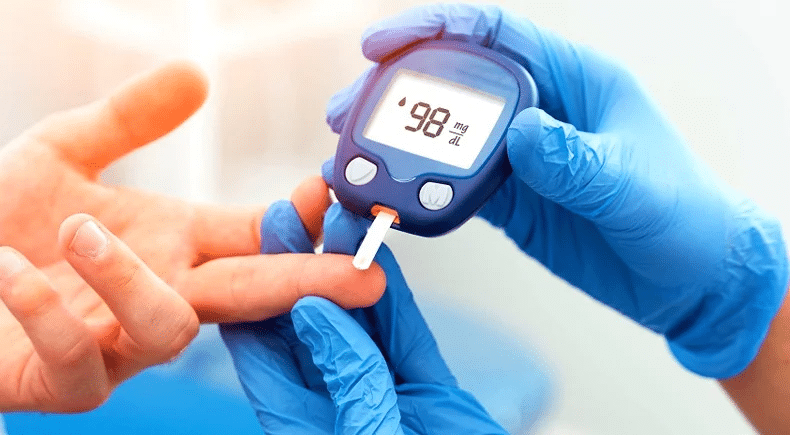
You can’t improve what you don’t measure. Regular blood sugar monitoring helps you understand how different foods, activities, and lifestyle factors affect your glucose levels. This knowledge empowers you to make informed decisions and adjust your approach as needed.
Check your fasting blood sugar each morning and test before and after meals to see how specific foods impact you. Keep a detailed log that includes what you ate, your stress level, sleep quality, and physical activity. Patterns will emerge that guide your personalized diabetes reversal strategy.
Track your HbA1c levels every three months with your doctor. This test shows your average blood sugar over the previous 2-3 months and is the gold standard for assessing diabetes control. Watching this number drop is incredibly motivating! 📉
💊 Step 10: Work Closely with Your Healthcare Team
Reversing diabetes requires medical supervision, especially if you’re taking medications. As your lifestyle changes take effect and blood sugar levels improve, your medication needs will change. Taking the same doses while eating fewer carbs and exercising more can cause dangerous hypoglycemia.
Schedule regular appointments with your doctor to review your progress and adjust medications accordingly. A supportive healthcare provider who understands and encourages lifestyle-based diabetes reversal is invaluable. Don’t hesitate to seek a second opinion if your current doctor dismisses your reversal goals.
Consider working with a certified diabetes educator or nutritionist who specializes in low-carb approaches. Their expertise can accelerate your progress and help you navigate challenges along the way.
🥦 Step 11: Eliminate Processed Foods and Added Sugars
Processed foods are engineered to be hyper-palatable, causing overconsumption and blood sugar spikes. They’re typically high in refined carbs, unhealthy fats, and hidden sugars—exactly what diabetics need to avoid.
Adopt a whole-foods approach where you prepare meals from scratch using real, recognizable ingredients. Shop the perimeter of the grocery store where fresh produce, meats, and dairy are located. Read labels carefully—sugar hides under dozens of names including high-fructose corn syrup, maltodextrin, and dextrose.
This step requires planning and preparation, but it’s transformative. Within weeks of eliminating processed foods, most people report reduced cravings, stable energy levels, and improved blood sugar readings. Your taste buds will also reset, making naturally sweet foods like berries taste incredible.
🌱 Step 12: Build a Supportive Community
The journey to becoming an ex-diabetic is challenging, and having support makes all the difference. Connect with others who share your goals through online communities, local support groups, or diabetes reversal programs.
Share your struggles and victories with people who understand what you’re going through. Celebrate milestones together, whether it’s your first normal HbA1c reading or successfully eliminating a medication. Accountability partners help you stay committed when motivation wanes.
Educate your family and friends about your goals so they can support rather than sabotage your efforts. When loved ones understand why you’re making these changes, they’re more likely to accommodate your dietary needs and encourage your progress.
🎯 Understanding Diabetes Remission vs. Cure
It’s important to understand that diabetes reversal means achieving remission, not a permanent cure. Your blood sugar levels return to normal ranges without medication, but the underlying predisposition remains. This means you must maintain the lifestyle changes that got you there.
Think of it like holding a door closed against a strong wind. As long as you maintain pressure (healthy habits), the door stays shut (blood sugar stays normal). Release that pressure, and the door opens again (diabetes returns).
This reality isn’t discouraging—it’s empowering. You have control over your diabetes through your daily choices. Many people successfully maintain remission for years or decades by continuing the habits that reversed their condition.
📅 Creating Your Personalized Action Plan
Don’t try to implement all 12 steps simultaneously—that’s a recipe for overwhelm and failure. Instead, prioritize based on what will have the biggest impact for you personally. Most people start with diet (steps 1, 4, 7, and 11) since food choices directly affect blood sugar.
Spend two weeks mastering your new eating pattern before adding another focus area. Then incorporate exercise, followed by sleep optimization, stress management, and finally intermittent fasting. This gradual approach builds sustainable habits rather than creating temporary changes.
Set specific, measurable goals for each step. Instead of “exercise more,” commit to “walk 30 minutes after dinner five days per week.” Track your compliance and celebrate when you hit your targets. Small, consistent actions compound into remarkable transformations over time.
💪 The Timeline for Diabetes Reversal
How quickly can you reverse diabetes? The answer varies based on several factors including how long you’ve had diabetes, your starting HbA1c level, medication use, and how strictly you follow these steps.
Many people see significant blood sugar improvements within days of starting a low-carb diet and often reduce medications within weeks. Meaningful HbA1c reductions typically occur within 3-6 months. Achieving full remission (HbA1c below 6.5% without medications) commonly takes 6-12 months of consistent effort.
Don’t get discouraged if progress seems slow. Every improvement matters. Each day of normal blood sugar levels prevents damage to your eyes, kidneys, nerves, and cardiovascular system. You’re literally adding healthy years to your life with each positive choice.
🔬 The Science Behind Diabetes Reversal
Understanding the mechanism makes the process less mysterious. Type 2 diabetes develops when cells become resistant to insulin’s signals due to chronic high insulin levels—a condition called hyperinsulinemia. This happens when you consistently eat foods that spike blood sugar, requiring large insulin releases.
The steps outlined above work by reducing the insulin demand on your system. Fewer carbs mean less glucose entering the bloodstream, requiring less insulin. Lower insulin levels allow cells to regain their sensitivity. Increased exercise helps muscles absorb glucose without needing as much insulin.
Fasting gives your cells a break from constant insulin exposure, accelerating the sensitivity restoration. Weight loss, especially visceral fat around organs, removes the inflammatory signals that promote insulin resistance. It’s a beautiful cascade of healing when you address the root causes.
🌟 Staying Motivated Through Challenges
The path to diabetes reversal isn’t always smooth. You’ll face temptations, setbacks, and plateaus. Social situations, holidays, stress, and travel can all challenge your commitment. Anticipate these obstacles and plan strategies to overcome them.
Remember your “why”—the deeper reason you’re pursuing this transformation. Maybe it’s being healthy for your grandchildren, avoiding complications you’ve witnessed in others, or simply reclaiming your vitality. Write down your why and review it when motivation fades.
Focus on how you feel rather than just the numbers. Notice increased energy, better sleep, improved mood, and reduced joint pain. These quality-of-life improvements often appear before dramatic lab changes and provide powerful reinforcement for continuing your efforts.
✨ Your New Life as an Ex-Diabetic
Imagine waking up without worrying about blood sugar levels. Picture eating meals without guilt or fear. Envision traveling without packing medications or planning your day around insulin injections. This is the reality for thousands who’ve successfully reversed their diabetes.
You’re not just managing a disease—you’re transforming your entire relationship with health. The habits you build during this journey create resilience that extends far beyond diabetes. You’ll likely experience improvements in blood pressure, cholesterol, energy, mental clarity, and overall well-being.
The 12 steps outlined here provide a comprehensive roadmap, but your journey is uniquely yours. Be patient with yourself, celebrate every victory, learn from setbacks, and keep moving forward. Diabetes reversal is possible, and you have everything you need to make it happen. Your healthier future starts with the very next choice you make. 💚
