
Anúncios
Want crystal-clear sound with powerful bass and sharp treble? Discover how to unlock your device’s full audio potential with advanced sound controls.


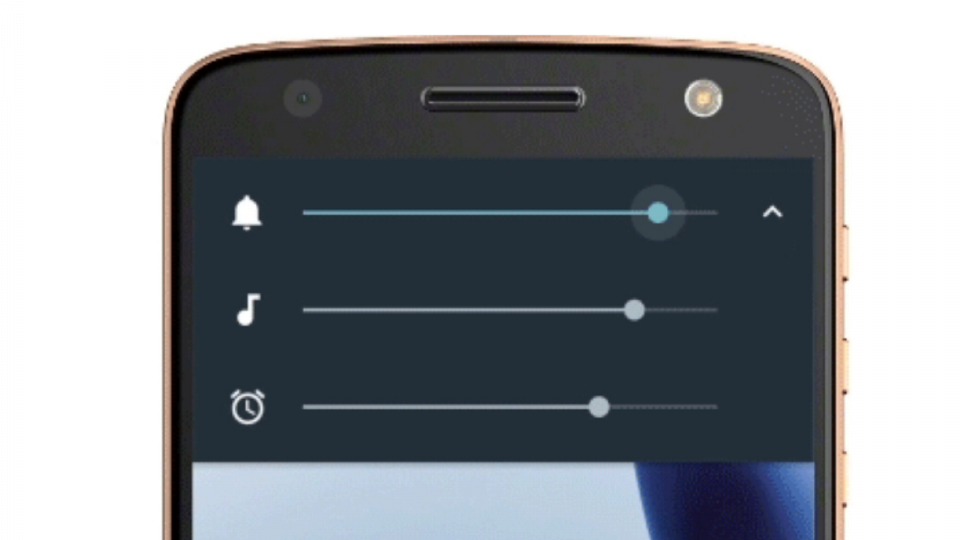
Most smartphones and tablets come with basic volume controls that barely scratch the surface of what’s possible. Whether you’re listening to your favorite playlist, watching movies, or gaming, standard audio settings often leave you wanting more depth, clarity, and power.
Anúncios
The good news? You don’t need expensive headphones or external speakers to dramatically improve your listening experience.

By understanding how to manipulate equalizer settings, bass boosters, and treble enhancers, you can transform your device into a portable sound system. This guide will walk you through everything you need to know about maximizing audio output while maintaining quality and protecting your hearing.
Anúncios
🎵 Understanding the Basics of Audio Enhancement
Before diving into technical adjustments, it’s important to understand what makes audio sound “better.” Sound quality depends on three primary elements: volume level, frequency balance, and clarity. Volume is straightforward—it’s how loud the sound is. Frequency balance refers to the relationship between bass (low frequencies), mids (vocal range), and treble (high frequencies). Clarity involves how distinct each sound element remains, even at higher volumes.
Your device’s default audio settings are designed for general use, which means they prioritize safety and battery efficiency over maximum performance. Manufacturers often implement volume limiters to prevent speaker damage and comply with hearing safety regulations. However, these restrictions can be adjusted or bypassed with the right tools and knowledge.
When you boost audio, you’re essentially amplifying the signal before it reaches your speakers or headphones. This can be done through software manipulation that adjusts the digital signal processing (DSP) algorithms built into your operating system. The key is finding the sweet spot where sound is loud and clear without distortion or damage to your audio hardware.
🔊 Why Standard Volume Controls Fall Short
Most devices ship with volume controls that max out at levels considered “safe” by health organizations. While this protects casual users, it often frustrates those who need more power for specific situations like outdoor listening, noisy environments, or large gatherings. Standard controls also lack granular frequency adjustments, meaning you can’t independently control bass, mids, and treble.
Another limitation is the “one-size-fits-all” approach. Different audio content requires different settings. Music benefits from enhanced bass and treble, while podcasts need clear mids. Movies demand dynamic range to capture both whispered dialogue and explosive action scenes. Without advanced controls, you’re stuck with generic settings that compromise across all use cases.
Furthermore, Bluetooth connections and certain apps can introduce their own volume limitations. Streaming services, social media platforms, and video apps often compress audio to save bandwidth, reducing overall quality. This compression particularly affects dynamic range, making quiet sounds too soft and loud sounds less impactful.
⚡ The Power of Equalizer Settings
An equalizer (EQ) is your most powerful tool for audio customization. It divides the audio spectrum into frequency bands, typically ranging from 20Hz (deep bass) to 20,000Hz (high treble). By adjusting individual bands, you can sculpt sound to your exact preferences. Understanding how to use an EQ effectively can make a dramatic difference in audio quality.
For bass enhancement, focus on frequencies between 60Hz and 250Hz. Boosting the 60-80Hz range adds depth and rumble, perfect for electronic music and action movies. The 100-250Hz range provides warmth and fullness to vocals and instruments. Be careful not to over-boost these frequencies, as it can cause muddiness and overwhelm other elements.
Treble adjustment happens in the 2,000Hz to 16,000Hz range. The 2-5kHz area adds presence and clarity to vocals, making them cut through the mix. The 8-16kHz range controls sparkle and airiness, bringing out cymbal crashes and subtle details. Enhancing treble makes audio sound crisper and more defined, especially important when playing content through small smartphone speakers.
🎚️ Pre-set EQ Profiles vs. Custom Settings
Many audio apps offer preset EQ profiles like “Rock,” “Jazz,” “Classical,” or “Bass Boost.” These presets provide quick solutions for common listening preferences. The Bass Boost preset typically elevates low frequencies while slightly reducing mids, creating a thumping sound ideal for hip-hop and EDM. The Rock preset often enhances both bass and treble while maintaining strong mids for guitar and vocals.
However, custom settings give you complete control. Start with a flat EQ (all bands at zero) and make small adjustments while playing familiar music. Increase bass frequencies gradually until you feel the impact without distortion. Boost treble until details emerge clearly. Adjust mids to ensure vocals and instruments remain present and natural sounding.
Remember that different headphones and speakers respond differently to EQ changes. What sounds perfect through earbuds might be too bass-heavy through larger speakers. Save multiple custom profiles for different listening scenarios—one for headphones, another for speakers, and perhaps a third for car audio systems.
🎧 Bass Boosting Techniques That Actually Work
Bass is the foundation of powerful audio. It adds emotional weight to music, impact to movie explosions, and immersion to gaming. However, small device speakers struggle with bass reproduction due to their physical size. Software bass boosting uses psychoacoustic principles to create the perception of deeper bass than the hardware can physically produce.
One effective technique is harmonic bass enhancement. This method adds overtones related to low frequencies that your brain interprets as deeper bass. When the fundamental frequency is too low for your speakers to reproduce, these harmonics trick your auditory system into “filling in” the missing bass. It’s not true deep bass, but it creates a fuller, more satisfying sound.
Another approach is bass compression and limiting. By compressing the dynamic range of low frequencies, you ensure bass remains consistent and punchy throughout your content. This prevents bass from disappearing during complex passages while keeping it controlled during bass-heavy sections. Combine this with a slight volume boost in the 80-120Hz range for optimal results.
💥 Avoiding the Bass Distortion Trap
The biggest mistake people make when boosting bass is pushing it too far. Excessive bass causes several problems: speaker distortion, battery drain, and audio masking where low frequencies drown out mids and highs. Your speakers have physical limitations—pushing beyond them creates that unpleasant buzzing or crackling sound.
To find the maximum safe bass level, play bass-heavy music and gradually increase bass frequencies. Listen carefully for any rattling, distortion, or vibration that doesn’t sound musical. When you detect these signs, reduce the bass slightly. This is your device’s safe maximum for that particular frequency range.
Also consider using a bass limiter if your audio app offers one. This feature prevents bass peaks from exceeding safe levels while allowing normal bass to remain enhanced. It’s particularly useful when listening to varied content where bass levels change dramatically between tracks or scenes.
✨ Treble Enhancement for Crystal-Clear Highs
While bass gets most of the attention, treble is equally important for audio quality. Treble frequencies contain the details that make music sparkle—the shimmer of cymbals, the breath in a singer’s voice, the delicate pluck of acoustic guitar strings. Smartphone speakers often lose these subtle details, making audio sound dull and lifeless.
Boosting treble brings back that missing clarity. Focus on the 4-8kHz range first, as this is where consonants in speech live. Enhancing this range makes dialogue in movies and podcasts dramatically easier to understand. It also helps vocals cut through dense musical arrangements, preventing them from getting lost in the mix.
The 10-16kHz range adds air and space to your audio. This ultra-high frequency region creates the sense of three-dimensional space in recordings. Modest boosts here make music sound more open and less congested, as if there’s more room for each instrument to breathe. Be gentle with these frequencies—too much causes harshness and listening fatigue.
🎼 Balancing Treble with Other Frequencies
Treble doesn’t exist in isolation. Its effectiveness depends on proper balance with mids and bass. If you boost treble while bass is also significantly elevated, the mids can become hollow and weak. The result is a “scooped” sound with powerful lows and crisp highs but lacking body and warmth.
A good starting point is the “V-curve” EQ shape: elevated bass and treble with slightly reduced mids. This creates an exciting, modern sound popular in consumer audio products. However, for more natural reproduction, keep mid frequencies closer to their original levels. This maintains vocal presence and instrumental accuracy while still delivering enhanced bass punch and treble clarity.
Test your settings with various content types. Speech-focused content like podcasts needs strong mids and controlled treble for intelligibility. Music can handle more dramatic EQ curves. Movies benefit from dynamic range preservation—don’t compress too much or you’ll lose the impact of quiet-to-loud transitions that make action scenes thrilling.
🛠️ Software Solutions for Maximum Control
Dedicated audio enhancement apps offer far more control than built-in device settings. These applications provide advanced equalizers with more frequency bands, bass boost engines, volume amplifiers that exceed system limits, and sound effects like reverb and spatialization. Many also include presets optimized for specific music genres or use cases.
When choosing an audio app, look for features like a 10-band or parametric equalizer, independent bass and treble controls, volume booster functionality, and the ability to save custom profiles. The best apps work system-wide, affecting all audio output rather than just music from a specific player. This ensures consistent enhancement across streaming services, video apps, games, and system sounds.
Some apps also offer advanced features like stereo widening, which creates a broader soundstage, making audio feel more spacious. Virtualizer effects simulate surround sound through regular stereo headphones. Loudness compensation adjusts frequency balance at different volume levels, since human hearing perceives frequencies differently at low versus high volumes.
📱 Device-Specific Optimization Tips
Different devices have different audio capabilities. High-end smartphones often include dual speakers, dedicated audio chips, and support for high-resolution audio formats. Budget devices typically have single speakers with more limited frequency response. Understanding your device’s strengths and limitations helps you optimize settings appropriately.
For devices with dual speakers, check if your audio app supports stereo enhancement. This takes advantage of the spatial separation between speakers for a wider soundstage. Mono enhancement, on the other hand, is better for single-speaker devices, ensuring all audio information is present without phase cancellation issues.
Tablets generally have better speakers than phones due to larger enclosures that can move more air. This means they can handle more aggressive bass boosting without distortion. Conversely, smaller phones benefit more from treble enhancement and mid-range clarity, as their tiny speakers can’t reproduce deep bass effectively regardless of software tricks.
🎯 Situational Audio Profiles for Different Scenarios
One size doesn’t fit all situations. Create different audio profiles for various listening environments and content types. Your “commute” profile might emphasize mid-range clarity and compression to overcome traffic noise. Your “workout” profile could feature maximum bass and treble for motivating energy. A “late night” profile might compress dynamic range and reduce bass to avoid disturbing others.
For outdoor listening, boost overall volume and enhance both bass and treble significantly. Open environments absorb sound, so what seems extreme indoors may be perfect outside. For quiet office or library listening, reduce bass to prevent sound leakage and focus on mid and treble clarity that works well at low volumes.
Gaming benefits from a specialized profile that emphasizes directional cues and effects. Boost upper mids and treble to hear footsteps and environmental sounds clearly. Keep bass present but controlled so it doesn’t mask important audio information. Some games have their own audio settings—combine these with your system-wide enhancements for optimal results.
⚠️ Protecting Your Hearing While Maximizing Volume
Louder isn’t always better, and hearing damage is permanent. Extended exposure to sounds above 85 decibels can cause irreversible hearing loss. Smartphone audio can easily exceed 100 decibels at maximum volume, especially with bass and treble boosting. Taking precautions ensures you enjoy enhanced audio without long-term consequences.
Follow the 60/60 rule: listen at no more than 60% maximum volume for no longer than 60 minutes at a time. Take regular breaks to give your ears rest. If you need to raise your voice to be heard over your audio, it’s too loud. If your ears ring after listening, you’ve caused temporary threshold shift—repeated instances lead to permanent damage.
Many devices include hearing protection features like volume limiters and listening time trackers. Don’t disable these features entirely; instead, adjust them to slightly higher limits if needed. Consider using volume normalization features that maintain consistent perceived loudness across different content without constant manual adjustments.
🔋 Managing Battery Impact of Audio Enhancement
Audio processing requires computational power, which drains battery. Volume boosting, complex EQ calculations, and real-time effects can significantly impact battery life. However, smart optimization minimizes this drain. Most modern audio apps are efficient, but understanding the trade-offs helps you balance performance and battery longevity.
The most battery-intensive features are real-time effects like reverb, spatial enhancement, and dynamic compression. Basic EQ and volume boosting use minimal resources. If battery life is critical, stick with simple enhancements and disable resource-heavy effects. Also, using wired headphones instead of Bluetooth reduces overall power consumption.
Some audio apps offer power-saving modes that reduce processing quality slightly to conserve battery. The difference is often imperceptible, making this an excellent option for long listening sessions. Additionally, closing unused apps and reducing screen brightness while listening extends battery life more effectively than disabling audio enhancements.
🌟 Advanced Techniques for Audio Enthusiasts
For those wanting to go deeper, advanced techniques unlock even greater audio quality. Parametric EQ allows you to adjust not just frequency levels but also bandwidth (Q factor) and filter types. This surgical precision lets you eliminate specific resonances or boost narrow frequency ranges without affecting adjacent frequencies.
Multiband compression independently compresses different frequency ranges. You might heavily compress bass to keep it controlled, lightly compress mids to maintain naturalness, and moderately compress treble to prevent harshness. This technique is standard in professional audio production and can transform your mobile listening experience.
Convolution reverb uses impulse responses from real acoustic spaces to add realistic ambiance to your audio. Imagine listening to your music as if you were in a concert hall or cathedral. While processor-intensive, this creates an immersive experience that goes far beyond simple stereo widening.
🎉 Bringing It All Together for Perfect Sound
Maximizing your device’s audio potential is about understanding the tools available and applying them thoughtfully. Start with modest adjustments—small changes often yield impressive results. Use quality audio enhancement apps that provide the control you need without overwhelming complexity.
Remember that perfect audio settings are personal. What sounds incredible to you might not suit someone else. Trust your ears and adjust until you achieve the sound that makes your content most enjoyable. Regularly revisit your settings as you acquire new headphones, update your device, or discover new music genres.
The journey to better audio doesn’t require expensive equipment. With the right knowledge and free or inexpensive software tools, your smartphone or tablet can deliver surprisingly powerful, clear, and immersive sound. Whether you’re a casual listener or an audio perfectionist, these techniques will transform how you experience music, movies, and games on your mobile devices.
Take the time to experiment with different combinations of bass boost, treble enhancement, and EQ settings. Save your favorite configurations as presets for quick access. Share your discoveries with friends and family—great audio is meant to be enjoyed and shared. Your device has far more sonic potential than you might have imagined, and now you have the knowledge to unlock it completely.
