
Anúncios
Driving across borders requires more than just a valid license—it demands a deep understanding of local traffic laws that can vary dramatically between nations.


The United States and Mexico share not only a 2,000-mile border but also millions of travelers who cross annually for business, tourism, and family visits. While both countries prioritize road safety, their approaches to traffic regulation reflect distinct cultural attitudes, enforcement mechanisms, and legal frameworks.
Anúncios
Whether you’re planning a cross-border road trip or simply curious about how traffic systems differ internationally, understanding these variations can help you navigate unfamiliar roads with confidence and avoid costly mistakes. Let’s explore the fascinating contrasts and surprising similarities between American and Mexican traffic laws. 🚗
Understanding the Foundation: Traffic Law Systems in Both Countries
The United States operates under a federalist system where traffic laws are primarily determined at the state level. While the federal government sets certain standards—particularly for vehicle safety and interstate commerce—each of the 50 states maintains autonomy over speed limits, right-of-way rules, and penalties for violations.
Anúncios
Mexico, despite having a similar federal structure, approaches traffic regulation quite differently. The country’s traffic laws are established at the federal level through the National Traffic Regulations, but enforcement and specific rules often fall to individual states and municipalities. This creates a patchwork of regulations that can change dramatically as you travel from one region to another.
Both nations face the challenge of balancing uniform safety standards with local needs and customs. A driver in rural Montana experiences very different road conditions than someone navigating Los Angeles freeways, just as driving in bustling Mexico City contrasts sharply with the highways of Baja California.
Speed Limits and Highway Regulations 🛣️
Speed limit philosophies differ considerably between the two nations. In the United States, interstate highways typically feature speed limits ranging from 55 to 80 mph, depending on the state. Montana and Texas are known for their higher limits, while northeastern states tend toward more conservative speeds.
Mexican highways use the metric system, with speed limits posted in kilometers per hour. Federal toll roads (cuotas) generally allow speeds between 100-110 km/h (approximately 62-68 mph), while free roads (libres) typically restrict speeds to 80-90 km/h. Urban areas in both countries enforce much lower limits, usually between 25-40 mph (40-65 km/h).
Enforcement methods also vary significantly. American law enforcement agencies employ sophisticated radar technology, laser speed detection, and increasingly, automated speed cameras in certain jurisdictions. Mexico relies more heavily on visible police presence and manual speed monitoring, though automated enforcement is expanding in major cities.
Toll Roads and Highway Infrastructure
Mexico’s extensive toll road system represents a significant difference from the United States. These modern highways (autopistas de cuota) are generally well-maintained, safer, and faster than free alternatives, but they come with substantial fees. American toll roads exist primarily in the eastern states and certain metropolitan areas, with most interstate highways remaining free to use.
The quality and safety standards of highways also present noticeable contrasts. U.S. interstates typically feature consistent signage, regular maintenance, and comprehensive lighting. Mexican toll roads match or exceed these standards, but free roads can vary dramatically in quality, sometimes lacking shoulders, clear markings, or adequate lighting.

Drunk Driving Laws and Enforcement 🚨
Both countries take drunk driving seriously, but their legal thresholds and penalties differ meaningfully. In the United States, all 50 states have adopted a 0.08% blood alcohol concentration (BAC) limit for drivers over 21. Penalties escalate quickly, with first-time offenders facing license suspension, fines ranging from hundreds to thousands of dollars, mandatory alcohol education programs, and possible jail time.
Mexico officially maintains a 0.08% BAC limit federally, though some states enforce even stricter standards. Mexico City, for instance, operates a zero-tolerance policy for certain drivers. Enforcement intensity varies significantly by region, with tourist areas and major cities implementing regular sobriety checkpoints.
The consequences for drunk driving in Mexico can be severe and immediate. Officers have authority to impound vehicles on the spot, and offenders may face detention in municipal jails known as “separos” until they sober up or post bail. Unlike the United States, where processing through the legal system typically takes days or weeks, Mexico’s approach can be more immediate but also more negotiable in practice.
Sobriety Checkpoints and Testing Procedures
American DUI checkpoints operate under strict constitutional guidelines established by the Supreme Court. Law enforcement must announce checkpoint locations in advance, follow predetermined patterns for stopping vehicles, and allow drivers to legally avoid checkpoints if they choose alternate routes before entering the stop zone.
Mexican checkpoints function with more flexibility. Officers may set up temporary inspection points without advance notice, and refusal to cooperate can result in immediate legal consequences. The informal nature of some enforcement creates opportunities for both legitimate safety enforcement and, unfortunately, occasional corruption.
Right-of-Way Rules and Intersection Protocols
Traffic flow principles share many similarities between the countries, but critical differences exist. American drivers follow the fundamental rule that traffic already in a traffic circle (roundabout) has right-of-way, while entering vehicles must yield. Mexico’s growing adoption of roundabouts follows similar principles, though driver familiarity with these intersections varies regionally.
Four-way stop intersections illustrate cultural differences in driving behavior. In the United States, these intersections operate under a clear “first to arrive, first to proceed” principle, with drivers going in order. Mexican traffic culture historically emphasized boldness and assertiveness at intersections, though this is changing in urban areas with better enforcement and education.
Pedestrian right-of-way represents another area of divergence. American traffic laws strongly favor pedestrians in crosswalks, with severe penalties for drivers who fail to yield. While Mexican law technically provides similar protections, practical enforcement is less consistent, and pedestrians often exercise greater caution when crossing streets.
Vehicle Equipment Requirements and Safety Standards 🔧
Both nations mandate specific safety equipment for vehicles, though their requirements reflect different priorities. American regulations require functioning headlights, taillights, turn signals, brake lights, and seatbelts for all occupants. Most states also mandate regular safety and emissions inspections, though frequency and strictness vary considerably.
Mexican law requires similar basic equipment plus some unique additions. All vehicles must carry a warning triangle for roadside emergencies, and some states require fire extinguishers. The official Mexican standards (NOM) establish technical specifications for vehicle safety, though enforcement of these standards can be inconsistent outside major metropolitan areas.
Child Safety Seat Regulations
The United States enforces comprehensive child passenger safety laws in all 50 states, requiring age-appropriate car seats or booster seats for children, typically until they reach a certain age, weight, or height threshold. Penalties for non-compliance include fines and points on driving records.
Mexico has made significant progress in child safety seat legislation, with federal law requiring appropriate restraints for children under five years old. However, enforcement remains less consistent than in the United States, and cultural adoption of these safety practices is still developing in some regions.
Mobile Phone Usage and Distracted Driving Laws 📱
Distracted driving legislation has evolved rapidly in both countries as smartphone usage has exploded. Most U.S. states now prohibit handheld phone use while driving, with many banning all phone handling except for hands-free devices. Penalties typically include fines starting around $100-$200 for first offenses, with escalating consequences for repeat violations.
Mexico has implemented similar restrictions in major cities and on federal highways. Mexico City prohibits handheld phone use entirely while driving, with fines equivalent to approximately $50-$100 USD. However, enforcement varies dramatically between urban and rural areas, with some regions rarely issuing citations for phone-related violations.
Texting while driving faces nearly universal prohibition in both countries, recognized as one of the most dangerous forms of distracted driving. Research shows that texting drivers are 23 times more likely to crash than focused drivers, making this a priority for traffic safety advocates across North America.
Insurance Requirements and Liability Systems 💼
Auto insurance requirements present one of the most important differences for cross-border travelers. All U.S. states except New Hampshire require drivers to carry minimum liability insurance coverage. Minimum required coverage amounts vary by state but typically include bodily injury liability and property damage liability.
Mexico operates under a different system. While third-party liability insurance is legally required, enforcement has historically been limited. More importantly, American and Canadian insurance policies generally do not provide coverage in Mexico. Drivers crossing the border must purchase Mexican auto insurance, either in advance or at border crossings.
The legal implications of accidents differ substantially between countries. The United States primarily uses a civil liability system where insurance companies negotiate settlements. Mexico can treat accidents as criminal matters, particularly if injuries occur, with drivers potentially detained until liability is determined and compensation arranged.
What Happens After an Accident?
American accident protocols emphasize documentation and insurance information exchange. Drivers exchange contact and insurance details, document the scene with photos, and file police reports for significant accidents. The process typically doesn’t involve detention unless criminal activity like drunk driving is suspected.
Mexican accident procedures can be more complicated. All parties may be detained at the scene until police complete their investigation. Without proper Mexican insurance, foreign drivers may face significant legal complications, vehicle impoundment, or even jail time until financial responsibility is demonstrated.
Licensing Requirements for Foreign Drivers 🪪
The United States allows foreign visitors to drive with valid licenses from their home countries, typically for up to one year depending on visa status. International Driving Permits (IDPs) are recommended but not always legally required. Permanent residents must obtain state driver’s licenses within specific timeframes, usually 30-90 days after establishing residency.
Mexico similarly accepts foreign licenses for tourists, though the legal duration can be less clear. American and Canadian licenses are widely accepted throughout Mexico. However, visitors planning extended stays or those involved in accidents may find that having an International Driving Permit provides additional legal clarity.
Both countries require drivers to carry physical licenses while operating vehicles. Digital versions, though becoming more common in some U.S. states, are not universally accepted. Foreign drivers should always carry their passport or identification along with their driving license when traveling internationally.
Parking Regulations and Urban Driving Considerations 🅿️
Urban parking enforcement in the United States is generally strict and systematic, especially in major cities. Color-coded curbs indicate parking restrictions: red means no stopping, yellow indicates commercial loading zones, blue marks handicapped spaces, green allows limited-time parking, and white designates passenger loading areas. Violations result in tickets ranging from $25 to several hundred dollars, plus potential towing fees.
Mexican cities use similar color-coding systems, though specific meanings can vary by municipality. Parking enforcement exists but tends to be less automated than in American cities. Many Mexican urban areas employ parking attendants who watch vehicles for tips, a practice virtually non-existent in the United States.
Valet parking culture differs significantly. In the United States, valet service appears primarily at upscale restaurants, hotels, and event venues. Mexican cities frequently offer valet parking even at casual restaurants and shopping areas, often as a security measure rather than a luxury service.
Traffic Violations: Penalties and Payment Systems 💰
American traffic citation systems are highly standardized within each state. Officers issue tickets with specific violation codes, fine amounts, and court appearance information if required. Payment typically occurs through mail, online systems, or in-person at designated offices. Points systems track violations, with accumulation leading to license suspension.
Mexico’s ticket system is less standardized nationally. Some modern cities have implemented systematic citation processes similar to American systems, with printed tickets, specific fine amounts, and formal payment procedures. However, many municipalities still use handwritten citations, and payment procedures can be confusing for visitors.
The notorious issue of police corruption affects traffic enforcement differently in each country. While isolated incidents occur in the United States, systemic corruption is rare. Mexico has made substantial progress combating traffic police corruption, particularly in tourist areas and major cities, but the problem persists in some regions. Foreign drivers should always request formal written citations and insist on official payment procedures.
Dealing with Traffic Stops Professionally
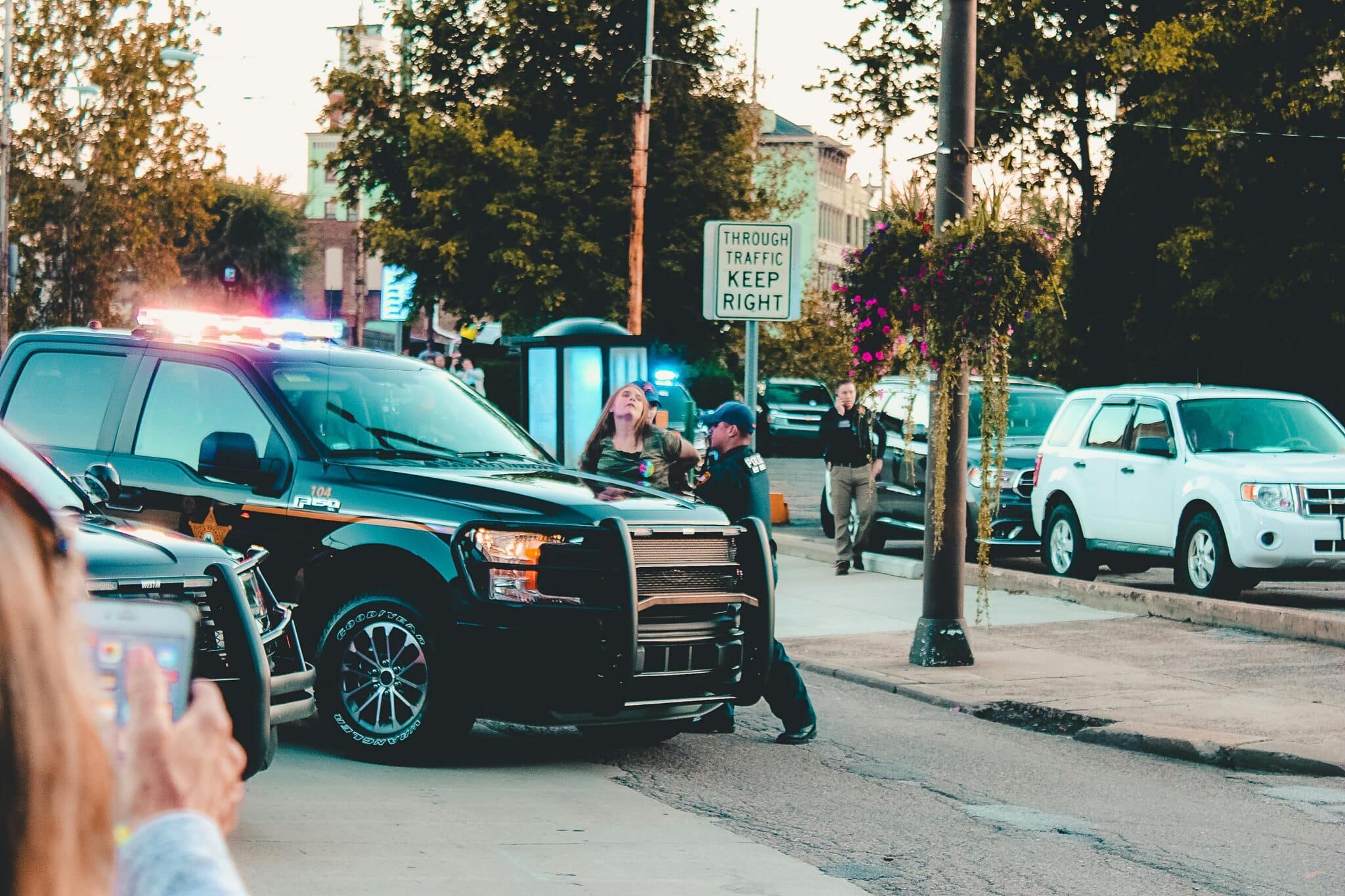
When stopped by police in the United States, drivers should remain in their vehicle, keep hands visible, provide license and registration when requested, and be respectful but concise. Recording the interaction is legal in most jurisdictions. Never offer money to an officer, as this could constitute attempted bribery.
Mexican traffic stops require similar respect but benefit from some cultural awareness. Remain calm and courteous, provide requested documents, and communicate clearly about your status as a foreign visitor. If asked to pay a fine on the spot, politely request a written citation and information about official payment locations. Most professional officers will comply with this reasonable request.
Special Regulations for Commercial Vehicles 🚛
Commercial vehicle regulations in both countries are extensive and complex. The United States enforces federal regulations through the Federal Motor Carrier Safety Administration (FMCSA), covering hours of service, vehicle maintenance, driver qualifications, and cargo securement. Interstate commercial drivers must hold Commercial Driver’s Licenses (CDL) and comply with electronic logging device (ELD) requirements.
Mexico’s Secretariat of Communications and Transportation (SCT) oversees commercial vehicle operations, with regulations covering similar areas but with different specific requirements. Mexican commercial drivers need federal licenses, and vehicles must meet NOM standards. Cross-border commercial traffic requires additional permits, customs documentation, and often specialized insurance beyond standard requirements.
Environmental and Emissions Standards 🌱
Environmental regulations affect traffic laws in both nations, though implementation differs. Many U.S. states require periodic emissions testing for vehicles, particularly in urban areas with air quality challenges. California maintains the strictest standards, which several other states have adopted. Vehicles must meet increasingly stringent emissions standards as federal regulations have evolved over decades.
Mexico City pioneered the “Hoy No Circula” (Today You Don’t Drive) program, restricting vehicle use based on license plate numbers to reduce pollution. This system operates on weekdays and during environmental emergencies, affecting both residents and visitors. Other Mexican cities have implemented similar programs. Foreign vehicles, including those with out-of-state Mexican plates, are typically exempt for the first period of entry, but extended stays may lose this exemption.
Navigating Cultural Differences in Driving Behavior 🌎
Beyond written laws, unwritten cultural norms significantly influence driving experiences. American driving culture generally emphasizes predictability, following marked lanes precisely, and maintaining consistent speeds. Horn usage is typically reserved for warnings or emergencies, and aggressive lane changing is frowned upon.
Mexican driving culture tends toward greater flexibility and improvisation. Lane markings may be treated as suggestions rather than strict boundaries, particularly in congested urban areas. Horn usage serves as communication—warning of presence, expressing frustration, or simply greeting other drivers. This doesn’t indicate aggression but rather a different cultural approach to shared road space.
These cultural differences don’t make one approach superior to another; they simply reflect different historical development paths and social norms. Successful cross-border drivers adapt their expectations and behaviors while maintaining safety as the paramount concern.
Preparing for Cross-Border Road Travel: Practical Tips
If you’re planning to drive between the United States and Mexico, preparation ensures smoother experiences. First, verify that your vehicle is in good mechanical condition with all required equipment functioning properly. Obtain appropriate Mexican auto insurance before crossing—this cannot be overemphasized, as American insurance provides virtually no protection in Mexico.
Carry all necessary documentation: valid driver’s license, vehicle registration, proof of insurance for each country, passport, and visa documents if required. Keep copies of important documents separate from originals. Download offline maps of your route, as cellular coverage can be inconsistent in some areas.
Research specific regulations for states or regions you’ll be visiting, as local laws can vary significantly from federal standards. Consider joining automobile clubs like AAA (which offers Mexico travel resources) or Mexican equivalents like Ángeles Verdes, which provide roadside assistance.
Finally, approach cross-border driving with patience, cultural sensitivity, and flexibility. Understanding that different doesn’t mean wrong helps travelers navigate unfamiliar traffic environments with confidence and respect.
The Future of Traffic Regulation in North America 🚀
Both countries are adapting traffic laws to accommodate emerging technologies and changing transportation patterns. Autonomous vehicle regulations are evolving rapidly in the United States, with some states creating frameworks for testing and eventually deploying self-driving cars. Mexico is also beginning to address these technologies, though implementation timelines differ.
Electric vehicle infrastructure is expanding in both nations, though the United States currently leads in charging station networks. Mexican investment in EV infrastructure is growing, particularly along major tourist corridors and in environmentally conscious cities. Traffic laws are gradually adapting to address the unique characteristics of electric and hybrid vehicles.
Cross-border cooperation on traffic safety continues to improve. Both governments recognize that integrated approaches to vehicle standards, driver licensing, and enforcement benefit travelers and commerce. International agreements facilitate recognition of licenses, vehicle registrations, and insurance across borders, though full harmonization remains distant.
Understanding traffic laws in the United States and Mexico reveals not just technical regulations but cultural values, governmental structures, and social priorities. Whether you’re crossing the border once or regularly commuting between countries, this knowledge transforms potentially stressful situations into manageable, even enjoyable experiences. Safe travels await those who prepare, respect local customs, and approach international driving with informed confidence. 🛣️✨
