
Anúncios
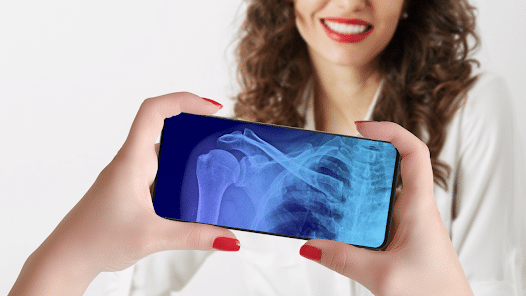
Have you ever imagined being able to see through walls or objects using just your smartphone? While true X-ray vision remains science fiction, several mobile apps claim to offer similar effects.


The concept of X-ray vision has fascinated humanity for decades, from comic book superheroes to cutting-edge medical technology. Today’s smartphone cameras have become incredibly sophisticated, leading many to wonder whether our pocket-sized devices could actually penetrate solid objects. The reality is both more complex and more interesting than simple yes-or-no answers suggest.
Anúncios
While genuine X-ray technology requires specialized equipment and safety protocols, modern smartphones offer creative alternatives through augmented reality, infrared capabilities, and clever image processing techniques. Understanding what’s actually possible—and what’s purely entertainment—helps users make informed decisions about the apps they download and the claims they believe. 📱
🔬 Understanding Real X-Ray Technology vs. Smartphone Capabilities
Authentic X-ray imaging works by passing electromagnetic radiation through objects, with denser materials absorbing more radiation and creating shadows on a detector. This process requires significant energy and specialized equipment that cannot fit into a smartphone’s compact form factor.
Anúncios
Medical X-ray machines use ionizing radiation that can be harmful with excessive exposure, which is why technicians wear protective gear and the technology is strictly regulated. The physics simply doesn’t translate to consumer electronics without compromising safety and practicality.
Smartphone cameras, by contrast, detect visible light and sometimes near-infrared wavelengths. They lack the radiation-emitting components necessary for true X-ray imaging. However, they excel at computational photography—using software algorithms to enhance, modify, and interpret images in creative ways.
📲 What X-Ray Vision Apps Actually Do
Most “X-ray vision” apps available on app stores fall into several distinct categories, each using different technological approaches to create their effects. Understanding these categories helps set realistic expectations.
Filter-Based Entertainment Apps
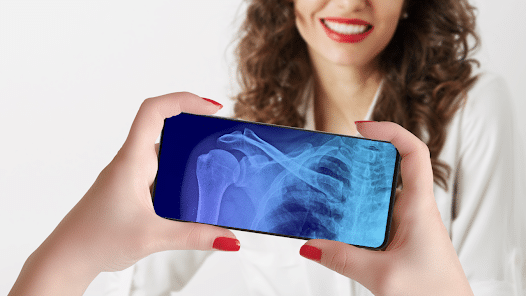
The majority of X-ray apps are entertainment-focused tools that apply visual filters to photos. These apps use image processing algorithms to adjust contrast, transparency, and color channels, creating illusions that resemble X-ray photographs.
These applications typically work with existing photos rather than providing real-time scanning capabilities. Users upload images, and the software applies predetermined effects that simulate the appearance of radiographic imaging through artistic interpretation rather than actual penetration of materials.
Infrared Camera Utilities
Some smartphones, particularly certain Android models, include infrared sensors originally designed for remote control functionality. Creative developers have repurposed these sensors to detect heat signatures and create thermal-like images.
While this technology can reveal temperature differences through clothing or detect warm objects behind thin barriers, it doesn’t provide X-ray vision in any meaningful sense. The images show heat patterns rather than internal structures, with significant limitations based on material thickness and insulation properties.

Augmented Reality Overlays
Advanced AR applications use machine learning to recognize objects and overlay educational content showing what’s inside. For example, an app might recognize a human body and display anatomical structures in 3D, creating an educational experience that simulates X-ray vision through digital augmentation.
These apps don’t actually see through anything—they simply recognize patterns and display pre-programmed information. The technology is impressive from an educational standpoint but shouldn’t be confused with actual scanning capabilities.
🎯 Practical Uses for X-Ray Style Apps
Despite not offering genuine X-ray capabilities, these applications serve several legitimate purposes that users find valuable in everyday situations.
Educational Exploration
Teachers and students benefit from augmented reality apps that visualize internal structures of the human body, mechanical objects, or architectural elements. These tools make abstract concepts tangible and support visual learning styles effectively.
Medical students particularly appreciate apps that overlay skeletal systems, organ locations, and circulatory pathways onto camera views. While not replacing traditional anatomy education, these tools provide convenient study aids accessible anywhere.
Entertainment and Social Media Content
Filter-based X-ray apps create novelty content perfect for social media sharing. Users enjoy the creative effects that transform ordinary photos into something unexpected and visually striking, even when everyone understands the effect is artificial.
The entertainment value shouldn’t be dismissed—these apps provide harmless fun and creative outlets for artistic expression. They occupy the same digital space as face filters and photo manipulation tools that millions use daily.
Thermal Detection Applications
Infrared-capable apps serve practical purposes including detecting heat loss in buildings, identifying hot spots in electrical systems, and even finding pets hiding in dark spaces. While limited compared to professional thermal cameras, they offer surprising utility for basic troubleshooting. 🔍
⚠️ Privacy and Ethical Considerations
The marketing of X-ray vision apps has raised legitimate privacy concerns, particularly regarding applications that falsely suggest they can see through clothing or walls. These concerns merit serious consideration.
False Advertising and User Expectations
Many apps use misleading marketing language that suggests capabilities far beyond what the technology actually delivers. This deceptive advertising wastes users’ time and money while potentially encouraging inappropriate behavior based on false premises.
App store policies have evolved to address these concerns, removing applications that explicitly promise to see through clothing or make similar invasive claims. However, cleverly worded descriptions continue appearing, requiring ongoing vigilance from platform moderators.
Consent and Photography Ethics
Even though these apps don’t provide actual X-ray vision, their existence and marketing can make people uncomfortable about being photographed. The perception of privacy invasion matters almost as much as actual capability when someone believes they’re being subjected to enhanced imaging.
Responsible developers clearly explain their apps’ limitations and discourage misuse. Users should respect others’ boundaries and only photograph people who have given explicit permission, regardless of which app or filter is being used.
🛠️ How Smartphone Cameras Actually Work
To understand why true X-ray vision remains impossible on smartphones, it helps to know how mobile camera technology actually functions and what physical limitations exist.
The Physics of Smartphone Sensors
Smartphone cameras use CMOS or CCD sensors that detect photons in the visible light spectrum and sometimes extending slightly into infrared ranges. These sensors convert light into electrical signals that processors interpret as digital images.
The lens system focuses light onto the sensor, with aperture size determining how much light enters. All of these components work with electromagnetic radiation in specific wavelength ranges that cannot penetrate solid materials the way X-rays do.
Computational Photography Advances
Modern smartphones perform remarkable feats through computational photography—using software to enhance what the hardware captures. Features like night mode, portrait blur, and HDR processing demonstrate how algorithms can extract amazing results from limited sensor data.
However, computational photography cannot create information that doesn’t exist. No amount of processing can make visible light pass through opaque materials or detect radiation wavelengths that the sensor cannot physically register.
🔮 Future Possibilities in Mobile Imaging
While true X-ray vision may never come to smartphones for safety and practical reasons, ongoing research explores fascinating alternatives that push boundaries in interesting directions.
Advanced Millimeter Wave Technology
Researchers are developing millimeter wave imaging systems small enough for potential mobile integration. These systems work differently from X-rays but can penetrate certain materials, potentially detecting objects behind walls or identifying contents of packages.
Security applications drive much of this research, with airports already using millimeter wave scanners for passenger screening. Miniaturization remains challenging, but future smartphones might incorporate limited versions of this technology.
LiDAR and Spatial Mapping
Several flagship smartphones now include LiDAR sensors that create detailed 3D maps of environments by measuring how long light takes to bounce back from surfaces. While this doesn’t see through objects, it reveals spatial relationships and surface details invisible to traditional cameras.
Future iterations might combine LiDAR with AI prediction models to infer what’s behind visible surfaces based on contextual clues, creating a form of educated guessing that resembles limited “vision” through objects. 🚀
Machine Learning Predictions
Artificial intelligence systems are becoming remarkably good at predicting hidden information based on visible cues. An AI trained on thousands of images might infer what’s inside a closed box based on its shape, weight distribution suggested by how someone carries it, and other subtle indicators.
This predictive capability differs fundamentally from actual X-ray vision but could provide useful information in specific contexts. Imagine an app that estimates furniture contents by analyzing external dimensions and construction materials.
💡 Choosing the Right X-Ray Style App
If you’re interested in downloading an X-ray related application, several factors should guide your selection to ensure you get a worthwhile experience.
Reading Reviews Critically
User reviews reveal whether an app delivers on its promises or disappoints with misleading functionality. Look for detailed reviews that describe specific features rather than vague praise or criticism.
Pay attention to patterns in complaints—if multiple users mention misleading advertising or lack of actual functionality, the app probably doesn’t deliver meaningful value. Conversely, apps with detailed positive reviews describing specific use cases likely offer genuine utility.
Understanding Permission Requests
Examine what permissions an app requests before installation. Legitimate X-ray style apps need camera access, but excessive permissions like contacts, location tracking, or SMS access suggest data harvesting rather than functional photography features.
Educational AR apps might request additional permissions for features like saving progress or sharing content, but these should have clear justifications. When in doubt, deny optional permissions and see if the app still functions adequately.
Evaluating Free vs. Paid Options
Free apps often rely on advertising revenue, which can create intrusive experiences with frequent interruptions. Paid apps typically offer cleaner interfaces but should demonstrate clear value before purchase.
Many apps offer free versions with limited features and paid upgrades for full functionality. Testing the free version helps determine whether the premium features justify the cost for your specific needs.
🎓 Educational Value and Scientific Literacy
X-ray vision apps, despite their limitations, create valuable teaching opportunities about physics, technology, and critical thinking when approached from an educational perspective.
Teaching Moments About Physics
Discussing why smartphones can’t perform real X-ray imaging helps students understand electromagnetic radiation, wavelengths, and energy requirements. These conversations build scientific literacy and healthy skepticism about technological claims.
Parents and educators can use X-ray apps as springboards for explaining how actual medical imaging works, what makes X-rays special, and why safety protocols exist around ionizing radiation. Hands-on app experiences make abstract physics concepts more relatable.
Developing Critical Thinking Skills
Evaluating X-ray app claims teaches important critical thinking skills applicable across digital literacy. Learning to identify misleading advertising, check technological feasibility, and research capabilities before believing marketing claims serves users throughout their digital lives.
Young people especially benefit from guided experiences examining what’s technically possible versus what’s marketing fiction. These lessons transfer to evaluating health claims, political statements, and other information encountered online.
🌟 Creative Applications Beyond X-Ray Effects
The image processing techniques used in X-ray style apps have broader creative applications worth exploring for users interested in mobile photography and digital art.
Artistic Photo Manipulation
The contrast enhancement and color channel manipulation used in X-ray filters create striking artistic effects applicable to landscape photography, portraits, and abstract compositions. Experimenting with these tools develops an understanding of how digital images work at fundamental levels.
Artists use similar techniques professionally to create specific moods, emphasize textures, or achieve vintage photographic aesthetics. Learning these skills through playful X-ray apps builds transferable knowledge for serious creative work.
Understanding Image Processing
Playing with X-ray effects teaches how digital images consist of color channels that can be manipulated independently. This knowledge helps users understand professional photo editing software and make informed decisions about image adjustments.
The transparency effects and edge detection algorithms in these apps demonstrate computer vision principles used across countless applications, from autonomous vehicles to medical diagnosis systems. What starts as entertainment becomes an introduction to important technology. ✨
🔐 Security Implications and Misconceptions
The belief that smartphones could possess X-ray vision has security implications extending beyond individual privacy to corporate and government concerns.
Corporate Security Responses
Some organizations ban smartphone cameras from sensitive areas partly due to exaggerated concerns about enhanced imaging capabilities. While the X-ray concerns are unfounded, the policies reflect legitimate worries about increasingly capable mobile cameras.
High-resolution cameras, excellent low-light performance, and AI-enhanced zoom create real security considerations even without X-ray vision. Documents can be photographed from impressive distances, and details once safe from casual observation now appear clearly in smartphone images.
Combating Misinformation
Technology literacy programs increasingly address misconceptions about smartphone capabilities, including X-ray vision myths. Accurate information prevents unnecessary anxiety while maintaining appropriate caution about genuine privacy risks.
Clear communication about what technology can and cannot do benefits everyone, allowing society to adopt useful innovations while protecting against actual threats rather than imaginary ones.
📊 The Market for X-Ray Style Applications
Despite technical limitations, X-ray related apps represent a significant app store category, revealing interesting insights about consumer interests and mobile software economics.
Download Statistics and Trends
X-ray style apps collectively see millions of downloads annually, with spikes following viral social media trends or celebrity endorsements. This sustained interest demonstrates ongoing fascination with the concept regardless of technical reality.
Most users engage with these apps briefly before moving on, but the constant influx of new users creates a renewable market. Developers release updated versions regularly, adapting to new smartphone capabilities and visual trends.
Monetization Strategies
Developers employ various monetization approaches including ad-supported free versions, one-time purchases, subscription models, and in-app purchases for additional filters or features. Success depends on balancing user experience with revenue generation.
The most successful apps provide genuine value through entertainment, education, or utility rather than relying solely on misleading marketing. Building trust with transparent descriptions creates loyal user bases and positive word-of-mouth promotion.
🎬 X-Ray Vision in Popular Culture
Understanding smartphone X-ray apps requires acknowledging how popular culture has shaped expectations and desires around seeing through solid objects.
From Superman to Smartphone
Superman’s X-ray vision has fascinated audiences since the character’s 1938 debut, representing the ultimate surveillance and investigative power. This cultural touchstone influences how people imagine technological possibilities and desire similar capabilities.
Movies and television regularly depict handheld devices with scanning capabilities far beyond current technology. These fictional representations shape expectations, making people more likely to believe misleading app marketing claims.
The Appeal of Hidden Knowledge
X-ray vision represents access to hidden knowledge and secrets, a deeply human desire that transcends simple voyeurism. Whether seeing through walls during games, understanding internal mechanisms, or satisfying curiosity, the appeal operates on multiple psychological levels.
Apps that successfully tap into this desire—even through simulation rather than reality—meet genuine emotional needs for discovery and understanding. The best educational apps leverage this motivation to inspire learning.
🌈 Balancing Innovation with Responsibility
As smartphone cameras continue advancing, developers face important responsibilities regarding how they market and present imaging capabilities to users.
Transparent communication about app functionality builds trust and prevents disappointment. Developers should clearly explain what their apps do without exaggeration, helping users make informed decisions and set realistic expectations.
The broader technology community benefits when innovations are presented honestly, allowing genuine excitement about actual capabilities rather than disillusionment following misleading promises. Responsible development practices elevate the entire mobile app ecosystem.
Users also bear responsibility for approaching dramatic technological claims with healthy skepticism, researching before downloading, and understanding basic physics that govern what’s possible. Digital literacy represents a shared responsibility across developers, platforms, educators, and users.
While smartphones may never achieve true X-ray vision, the journey of exploration—understanding why, imagining alternatives, and appreciating what technology actually accomplishes—offers its own rewards. The limitations teach us as much as the capabilities, and the questions raised spark innovation that pushes boundaries in unexpected directions. 💫
