
Anúncios
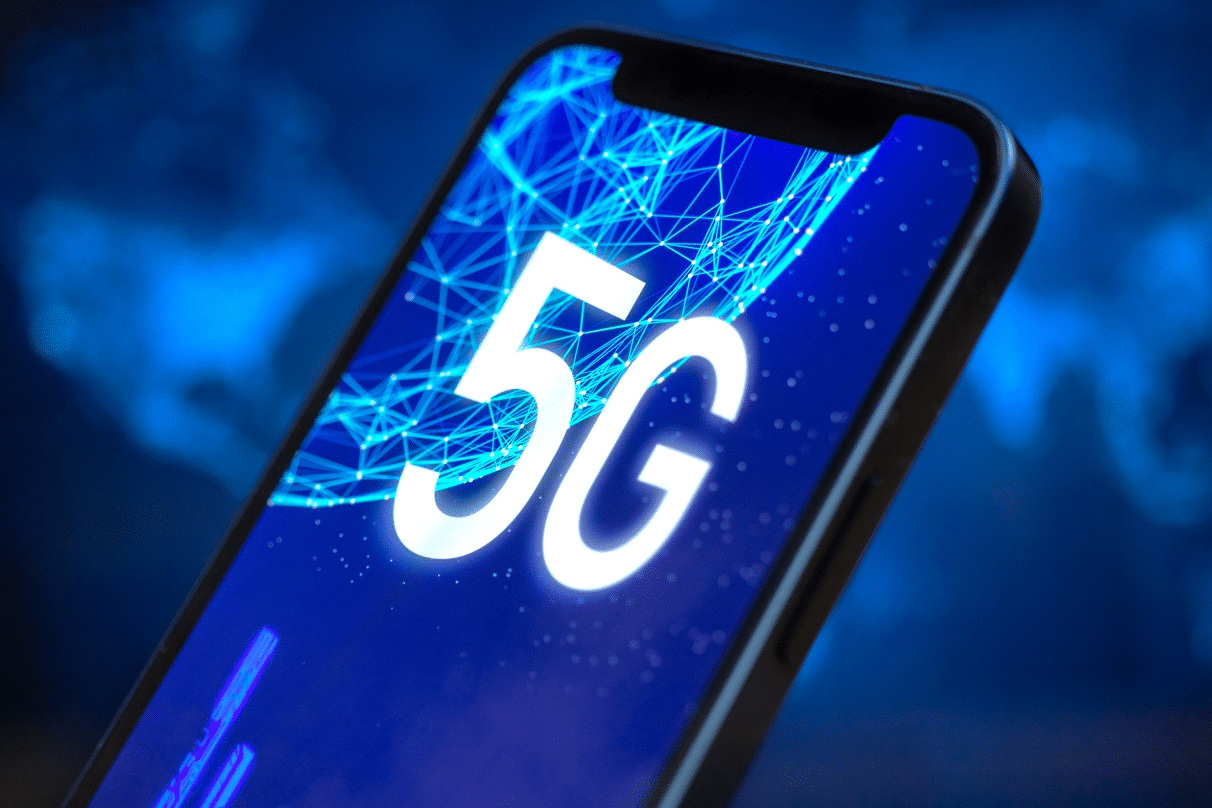
5G technology is reshaping how we connect, work, and communicate. But did you know you can activate or deactivate cellular 5G on your device?


The rollout of 5G networks worldwide has brought exciting possibilities, from lightning-fast download speeds to smoother streaming and enhanced mobile experiences. However, not everyone wants to keep their 5G connection active all the time. Battery drain, network availability, and personal preference all play a role in deciding when to use this advanced technology.
Anúncios
In this comprehensive guide, we’ll explore everything you need to know about activating or deactivating cellular 5G on your smartphone. Whether you’re looking to maximize your device’s performance or conserve battery life, understanding how to control your 5G settings empowers you to make the most of your mobile experience. 📱
Understanding 5G Technology and Why Control Matters
Fifth-generation wireless technology represents a massive leap forward from 4G LTE. With theoretical speeds reaching up to 10 gigabits per second, 5G promises to transform not just smartphones but entire industries including healthcare, transportation, and entertainment.
Anúncios
However, 5G comes with trade-offs. The technology requires more power, which can significantly impact your battery life. Additionally, 5G coverage isn’t universal yet, meaning your phone might constantly search for a 5G signal in areas where it’s unavailable, draining your battery even faster.
Many users find themselves in situations where temporarily disabling 5G makes practical sense. Perhaps you’re in an area with spotty 5G coverage, or maybe you need your battery to last through a long day without access to a charger. Understanding how to toggle this feature gives you flexibility and control. ✨
How to Activate 5G on iPhone Devices
Apple has made activating 5G on compatible iPhones straightforward, though the exact steps may vary slightly depending on your iOS version. All iPhone 12 models and newer support 5G connectivity.
Step-by-Step Activation Process for iOS
To enable 5G on your iPhone, start by opening the Settings app. Navigate to “Cellular” or “Mobile Data” depending on your region. Tap on “Cellular Data Options” to access network settings.
You’ll see a “Voice & Data” option. Tap it to reveal your network choices. Here, you’ll find three main options:
- 5G On: Uses 5G whenever it’s available, providing the fastest possible speeds
- 5G Auto: Intelligently switches between 5G and LTE to balance speed and battery life
- LTE: Disables 5G entirely, using only 4G LTE networks
Select your preferred option based on your needs. The “5G Auto” setting is often the smartest choice, as it automatically manages your connection to optimize both performance and battery consumption.
Understanding 5G Standalone vs Non-Standalone
When activating 5G on your iPhone, you might encounter terms like “standalone” and “non-standalone” 5G. Non-standalone (NSA) 5G relies on existing 4G infrastructure as an anchor, while standalone (SA) 5G operates independently with dedicated 5G core networks.
Most current deployments use NSA 5G, which is why your device might show a 5G indicator but not always deliver dramatically faster speeds. As networks mature, standalone 5G will become more prevalent, offering lower latency and more consistent performance. 🚀
Activating and Deactivating 5G on Android Devices
Android devices offer similar 5G controls, though the exact location of these settings can vary depending on your phone manufacturer and Android version. Samsung, Google Pixel, OnePlus, and other brands may present these options differently.
General Android 5G Activation Steps
For most Android smartphones, begin by opening your Settings app. Look for “Connections,” “Network & Internet,” or “Mobile Networks” — the exact terminology depends on your device manufacturer.
Once inside the network settings, find “Mobile Networks” or “Cellular Networks.” You should see an option for “Network Mode” or “Preferred Network Type.” Tap this to view available network options.
Your choices typically include:
- 5G/LTE/3G/2G (auto connect): Allows your phone to use any available network, prioritizing 5G
- LTE/3G/2G (auto connect): Disables 5G and uses only 4G and older networks
- LTE only: Restricts connection to 4G LTE exclusively
Select the option that includes 5G to activate the feature, or choose an LTE-only option to disable it. Some manufacturers like Samsung also offer a dedicated 5G toggle switch in quick settings for faster access. 💡
Manufacturer-Specific Instructions
Samsung Galaxy users can typically find a dedicated 5G toggle by going to Settings > Connections > Mobile Networks > Network Mode. Samsung’s One UI interface often provides the most intuitive 5G controls among Android manufacturers.
Google Pixel phones place network settings under Settings > Network & Internet > SIMs > Preferred Network Type. Pixel devices running Android 12 or newer often include adaptive connectivity features that automatically manage 5G usage.
OnePlus devices organize 5G settings under Settings > Wi-Fi & Network > SIM & Network > Select your SIM > Preferred Network Type. OnePlus phones frequently include additional options for forcing 5G in specific scenarios.
When You Should Disable 5G Networks
While 5G offers impressive capabilities, several scenarios warrant temporarily disabling this feature. Understanding when to switch networks helps you optimize your mobile experience.
Battery Conservation Strategies
5G connectivity consumes significantly more battery power than 4G LTE, particularly in areas with inconsistent coverage. When your phone constantly searches for 5G signals or switches between network types, it drains energy rapidly.
If you’re facing a long day without charging opportunities, switching to LTE can extend your battery life by 20-30% in many cases. This trade-off becomes especially valuable during travel, outdoor activities, or emergency situations where maintaining connectivity matters more than maximum speed. 🔋
Coverage and Network Availability Issues
5G networks remain under construction in many regions. Rural areas, smaller cities, and even certain urban neighborhoods may lack robust 5G infrastructure. When your device operates in areas with poor 5G coverage, it wastes resources attempting connections that aren’t reliably available.
Disabling 5G in these situations prevents your phone from fruitlessly searching for signals, instead focusing on stronger LTE connections that provide more consistent service. You’ll experience fewer dropped connections and more stable data speeds.
Data Plan Considerations
5G’s blazing speeds can tempt you to consume data at unprecedented rates. Streaming ultra-high-definition content, downloading large files, and engaging with data-intensive applications becomes effortless with 5G, but this convenience can quickly exhaust limited data plans.
If you’re nearing your monthly data cap or traveling internationally with expensive roaming charges, temporarily switching to LTE helps control data consumption by naturally slowing your connection speeds and making you more mindful of usage. 📊
Maximizing Performance When 5G Is Activated
Once you’ve activated 5G, several strategies can help you extract maximum value from this advanced technology while managing its drawbacks effectively.
Identifying True 5G Coverage Areas
Not all 5G connections are created equal. Carriers often display 5G indicators even when you’re connected to enhanced 4G networks or low-band 5G that offers speeds barely faster than LTE.
To verify genuine 5G connectivity, consider using network testing applications that measure actual speeds and latency. These tools help you understand where 5G provides meaningful advantages versus where it’s primarily a marketing label.
High-band 5G (mmWave) offers the most dramatic speed improvements but has extremely limited range. Mid-band 5G provides a better balance of speed and coverage, while low-band 5G prioritizes wide coverage at the expense of revolutionary speed gains. 📡
Optimizing Settings for 5G Usage
Many smartphones include intelligent features designed to manage 5G connections efficiently. Apple’s “5G Auto” mode and similar Android implementations attempt to balance speed and battery life by switching networks based on your current activity.
These adaptive modes typically activate 5G for demanding tasks like video streaming, large downloads, or video calls, while reverting to LTE for basic browsing, messaging, and background activities. Enabling these smart modes often provides the best overall experience.
Additionally, consider adjusting your streaming quality settings in apps like YouTube, Netflix, and Spotify. While 5G can handle 4K streaming effortlessly, this quality level consumes enormous data and battery resources. Setting reasonable quality limits helps maintain balance. ⚖️
Troubleshooting Common 5G Activation Issues
Sometimes activating or deactivating 5G doesn’t work as expected. Several factors might interfere with your network settings and connection management.
Carrier and Plan Compatibility
Not all mobile plans include 5G access, even if your device supports it. Some carriers offer 5G only with premium plans or require specific plan upgrades. Contact your provider to verify that your current plan includes 5G service.
Additionally, certain carriers implement software restrictions that prevent network type changes. If your 5G toggle appears grayed out or missing entirely, your carrier may have disabled user control over this setting.
Software Updates and Network Settings
Outdated device software can cause 5G connectivity problems. Manufacturers regularly release updates that improve 5G performance, fix connection bugs, and expand compatibility with evolving network infrastructure.
Check for available system updates by navigating to your device’s software update section. Installing the latest version often resolves mysterious network issues and exposes new connectivity options. 🔄
If problems persist, try resetting your network settings. This action clears saved Wi-Fi networks, Bluetooth pairings, and cellular configurations, forcing your device to establish fresh connections. On iPhone, find this option under Settings > General > Transfer or Reset iPhone > Reset > Reset Network Settings. Android users typically find similar options under Settings > System > Reset Options.
Hardware and Compatibility Verification
Confirm that your specific device model actually supports 5G connectivity. While most smartphones released since 2020 include 5G capabilities, certain budget models, regional variants, and older devices lack the necessary hardware.
Your device’s specifications page or manual should clearly indicate 5G support. Additionally, verify that your SIM card is 5G-compatible. Some carriers require updated SIM cards to access 5G networks, even if your phone and plan support the technology.
The Future of 5G and Network Management
As 5G technology matures, the question of whether to activate cellular 5G will evolve. Current limitations around battery consumption and coverage will gradually diminish as networks expand and devices become more efficient.
Emerging 5G Technologies and Standards
The next evolution of 5G includes enhanced features like network slicing, which allows carriers to create dedicated virtual networks for specific applications. This advancement will enable more precise control over how your device uses 5G for different purposes.
Future smartphones will likely incorporate more sophisticated power management systems that minimize 5G’s battery impact. Advances in antenna design, signal processing, and chip efficiency are already showing promising results in newer device generations. 🌟
Integration with Wi-Fi and Alternative Networks
The distinction between cellular and Wi-Fi networks continues to blur. Technologies like Wi-Fi 6E and upcoming Wi-Fi 7 offer speeds comparable to 5G, while initiatives like seamless network switching aim to create unified connectivity experiences.
Future devices will automatically select optimal networks based on availability, speed, congestion, and battery considerations without requiring manual intervention. This intelligent network management will make the activate/deactivate question largely obsolete.
Making the Right Choice for Your Needs
Deciding whether to keep 5G activated ultimately depends on your individual circumstances, usage patterns, and priorities. There’s no universally correct answer that applies to everyone in every situation.
If you live in an area with strong 5G coverage, have an unlimited data plan, and prioritize maximum speeds for streaming and downloads, keeping 5G permanently enabled makes perfect sense. The enhanced experience justifies any minor battery trade-offs.
Conversely, if you’re in a region with spotty 5G deployment, use your phone moderately, or frequently need to extend battery life throughout long days, disabling 5G or using adaptive modes offers clear advantages. You’ll sacrifice some speed potential but gain reliability and longevity. 🎯
Many users find that flexible approaches work best. Enable 5G when you specifically need high speeds for downloads, streaming, or video calls, then switch to LTE for general daily use. This manual management requires slightly more attention but maximizes both performance and efficiency.
Remember that network technology continues evolving rapidly. What represents an optimal strategy today may change as 5G infrastructure expands, devices improve, and new features emerge. Stay informed about updates from your carrier and device manufacturer to adapt your approach accordingly.
Taking Control of Your Mobile Connectivity
Understanding how to activate or deactivate cellular 5G empowers you to customize your mobile experience based on changing needs and circumstances. This simple capability puts you in the driver’s seat, allowing conscious decisions about speed, battery life, and data consumption.
Whether you’re an early adopter excited about cutting-edge technology or a practical user focused on reliable daily connectivity, knowing how to manage your network settings ensures your device works for you rather than the other way around.
Take a few moments to explore your device’s network settings, experiment with different configurations, and observe how these changes affect your actual usage experience. The knowledge you gain will serve you well as mobile networks continue their remarkable evolution. 🚀
5G represents just one chapter in the ongoing story of wireless connectivity. By mastering the fundamentals of network management today, you’ll be well-prepared to navigate whatever technological advances tomorrow brings to your smartphone and beyond.
