
Anúncios
Joint pain can significantly impact daily life, but nature offers gentle remedies that may provide relief. Certain teas have been traditionally used to support joint health and reduce discomfort. Teas That Help Alleviate Joint Pain.


Living with joint pain affects millions of people worldwide. Whether caused by arthritis, injury, or age-related wear, the discomfort can limit mobility and reduce quality of life. While medical treatment remains essential for chronic conditions, complementary approaches like herbal teas have gained attention for their potential anti-inflammatory properties.
Anúncios
These beverages aren’t miracle cures, but they contain compounds that research suggests may help manage inflammation and support joint function. Many have been used for centuries in traditional medicine systems around the world. Let’s explore several teas that show promise for those seeking natural ways to complement their joint care routine.
🍵 Ginger Tea: A Warming Anti-Inflammatory
Ginger has earned its reputation as one of nature’s most powerful anti-inflammatory agents. The rhizome contains compounds called gingerols and shogaols that studies have linked to reduced inflammation markers in the body.
Anúncios
Research published in arthritis journals has shown that ginger extract may help reduce joint pain in people with osteoarthritis. The warming sensation you feel when drinking ginger tea isn’t just comforting—it reflects the herb’s ability to increase circulation to affected areas.
To prepare effective ginger tea, slice fresh ginger root thinly and steep in hot water for 10-15 minutes. The longer steeping time allows more beneficial compounds to infuse into the water. Some people prefer to simmer ginger slices for even stronger results.
Adding a touch of honey and lemon enhances both flavor and potential benefits. Honey contains trace amounts of anti-inflammatory compounds, while lemon provides vitamin C, which supports collagen production in joints.
🌿 Green Tea: Polyphenol Powerhouse
Green tea stands out for its high concentration of epigallocatechin gallate (EGCG), a polyphenol with demonstrated anti-inflammatory and antioxidant properties. Multiple studies have examined its potential role in protecting joint cartilage.
Laboratory research indicates that EGCG may help inhibit the production of molecules that contribute to joint inflammation and cartilage breakdown. While human studies show more modest effects, regular green tea consumption appears safe and potentially beneficial as part of an overall joint health strategy.
For optimal benefits, steep green tea at temperatures around 175°F (80°C) rather than boiling water, which can destroy delicate polyphenols. Steeping for 2-3 minutes provides good flavor without excessive bitterness.
Drinking 2-3 cups daily appears to be the amount associated with health benefits in research studies. Green tea contains caffeine, though less than coffee, so consider timing if you’re sensitive to stimulants.
🌺 Hibiscus Tea: Tart and Therapeutic
Hibiscus tea, made from the dried flowers of Hibiscus sabdariffa, offers a tart, cranberry-like flavor along with impressive antioxidant content. The deep red color signals the presence of anthocyanins, compounds that help combat oxidative stress.
Oxidative stress plays a significant role in joint degradation and inflammation. By neutralizing free radicals, antioxidants in hibiscus may help protect joint tissues from damage over time.
Some preliminary research suggests hibiscus extract may help reduce inflammation markers in the body. While most studies have focused on cardiovascular benefits, the anti-inflammatory effects could extend to joint health.
Hibiscus tea is naturally caffeine-free, making it suitable for evening consumption. It can be enjoyed hot or iced, and its vibrant flavor often needs little sweetening.

💛 Turmeric Tea: The Golden Healer
Turmeric has become increasingly popular in Western wellness circles, though it’s been a staple in Ayurvedic medicine for thousands of years. The active compound curcumin has been extensively studied for its anti-inflammatory properties.
Clinical trials have demonstrated that curcumin supplements can reduce joint pain and improve function in people with osteoarthritis, sometimes performing comparably to certain over-the-counter pain medications in studies.
Making turmeric tea involves more than just adding powder to hot water. Curcumin is fat-soluble and poorly absorbed on its own. Adding a pinch of black pepper dramatically increases absorption—the piperine in pepper enhances bioavailability by up to 2,000%.
Many people add a small amount of coconut oil or milk to turmeric tea for the same reason. The warming spice pairs well with ginger, creating a potent anti-inflammatory combination often called “golden milk” when prepared with dairy or plant-based milk.
🌸 Rosehip Tea: Vitamin C for Connective Tissue
Rosehips—the fruit of the rose plant—pack impressive amounts of vitamin C along with various polyphenols and galactolipids. These compounds work together to support joint health through multiple mechanisms.
Vitamin C plays an essential role in collagen synthesis, the protein that provides structure to cartilage, tendons, and ligaments. Adequate vitamin C intake supports the body’s natural repair processes in joint tissues.
Several clinical studies have specifically examined rosehip powder for osteoarthritis. Results suggest modest but meaningful reductions in joint pain and stiffness with regular use. The galactolipids appear to have anti-inflammatory effects that complement the vitamin content.
Rosehip tea has a pleasant, slightly tangy flavor that many find refreshing. Commercial tea bags are widely available, or you can prepare tea from whole dried rosehips for potentially stronger effects.
🍃 Willow Bark Tea: Nature’s Aspirin
Willow bark has been used for pain relief since ancient times. It contains salicin, a compound the body converts to salicylic acid—the same active component in aspirin.
Traditional use and some modern research support willow bark’s potential for reducing joint pain and inflammation. However, because it works similarly to aspirin, similar precautions apply.
People who shouldn’t take aspirin should avoid willow bark tea. This includes those with bleeding disorders, those taking blood thinners, and people allergic to salicylates. The tea may also interact with various medications.
If you do try willow bark tea, start with small amounts to assess tolerance. The effects tend to be milder than pharmaceutical painkillers but may still provide meaningful relief for some individuals.
☘️ Nettle Tea: Mineral-Rich Support
Stinging nettle (Urtica dioica) has a long history in folk medicine for treating joint complaints. The leaves contain various compounds including flavonoids, minerals, and vitamins that may contribute to its effects.
Research on nettle for arthritis shows mixed but generally positive results. Some studies indicate it may help reduce inflammatory markers and decrease the need for pain medication when used alongside conventional treatment.
Nettle is particularly rich in minerals like calcium, magnesium, and silica that support bone and connective tissue health. The tea also has mild diuretic properties that some believe help flush inflammatory compounds from joints.
Dried nettle leaves make a earthy, slightly grassy tea that many find pleasant, especially when blended with mint or other herbs. It’s generally well-tolerated with few side effects reported in studies.
🌼 Chamomile Tea: Gentle Anti-Inflammatory
Better known as a calming bedtime tea, chamomile also possesses anti-inflammatory properties that may benefit joints. The flowers contain apigenin and other flavonoids with demonstrated effects on inflammatory pathways.
While research specifically on chamomile for joint pain is limited, its anti-inflammatory compounds work through similar mechanisms to other beneficial herbs. The gentle nature of chamomile makes it suitable for regular, long-term consumption.
The calming effects shouldn’t be overlooked either. Chronic pain often disrupts sleep, and poor sleep can worsen pain perception. Chamomile’s ability to promote relaxation and improve sleep quality may indirectly help with pain management.
Chamomile tea is widely available and generally very safe, though people with allergies to plants in the daisy family should exercise caution.
🫖 Practical Tips for Brewing Joint-Friendly Teas
Getting the most from medicinal teas requires attention to preparation methods. Here are practical guidelines to optimize your tea routine:
- Use quality ingredients: Organic, fresh herbs contain higher levels of beneficial compounds than old or low-quality products.
- Mind the temperature: Boiling water suits roots and bark, while delicate flowers and leaves often do better with slightly cooler water.
- Steep appropriately: Generally 5-10 minutes for most herbal teas, allowing time for compounds to infuse.
- Cover while steeping: This prevents volatile compounds from evaporating with the steam.
- Be consistent: Benefits typically require regular consumption over weeks or months, not one-time use.
- Consider combinations: Blending complementary herbs may provide synergistic benefits.
⚠️ Important Considerations and Precautions
While herbal teas are generally safe, they’re not appropriate for everyone in all situations. Understanding potential risks helps you make informed decisions.
Always inform your healthcare provider about herbal remedies you’re using. Many herbs can interact with medications, either reducing their effectiveness or increasing side effects. This is particularly important if you take blood thinners, diabetes medications, or immunosuppressants.
Pregnancy and breastfeeding require extra caution with herbal products. Some teas that are safe for most adults may not be appropriate during these periods. When in doubt, consult with a healthcare provider knowledgeable about herbal medicine.
Quality matters significantly with herbal products. Choose reputable brands that test for contaminants and verify ingredient identity. Adulteration and contamination occasionally occur in the herbal product industry.
Remember that teas are complementary approaches, not replacements for medical treatment of serious joint conditions. Conditions like rheumatoid arthritis require appropriate medical management to prevent permanent joint damage.
🥤 Integrating Tea into a Joint Health Strategy
For best results, think of therapeutic teas as one component of a comprehensive approach to joint health. They work best alongside other evidence-based strategies.
Regular physical activity appropriate for your condition helps maintain joint flexibility and strength. Movement keeps synovial fluid circulating, which nourishes cartilage. Low-impact exercises like swimming, cycling, and tai chi are often well-tolerated.
Maintaining a healthy weight reduces stress on weight-bearing joints. Even modest weight loss can significantly decrease knee pain in people with osteoarthritis, according to research.
An anti-inflammatory diet rich in fruits, vegetables, omega-3 fatty acids, and whole grains provides the raw materials your body needs for tissue repair. Some people find that reducing processed foods, sugar, and certain oils helps manage inflammation.
Adequate sleep supports the body’s natural healing processes. Pain management, stress reduction, and good sleep hygiene all contribute to better outcomes.
📊 Understanding Realistic Expectations
Setting appropriate expectations helps prevent disappointment and guides decision-making about continuing herbal approaches.
Most people who benefit from therapeutic teas experience modest improvements rather than dramatic transformations. Pain may decrease from a 7 to a 5 on a 10-point scale, or morning stiffness might last 20 minutes instead of 45.
Effects typically build gradually over weeks of consistent use. Unlike pharmaceutical painkillers that work within hours, herbal approaches generally require patience. Give a new tea at least 4-6 weeks of regular use before evaluating effectiveness.
Individual responses vary considerably. A tea that helps one person significantly might do little for another. This variation reflects differences in underlying causes of joint pain, individual metabolism, and other factors.
Keep a simple journal tracking your pain levels, stiffness, and function over time. This provides objective information about whether your chosen approach is helping.
🌱 Finding What Works for You
Discovering the right herbal approach often involves some trial and error. Start with one tea at a time to clearly identify effects before adding others.
Many people find that rotating between several anti-inflammatory teas provides variety while maintaining benefits. You might drink ginger tea in the morning, green tea in the afternoon, and chamomile in the evening.
Pay attention to how different teas affect you personally. Some people feel energized by certain herbs, while others notice digestive effects or changes in sleep patterns.
Consider working with a qualified herbalist or integrative medicine practitioner who can provide personalized recommendations based on your specific situation and health history.
🔬 The Science Behind Herbal Joint Support
Understanding how these teas might work helps contextualize their potential benefits. Most anti-inflammatory herbs influence similar pathways in the body.
Many beneficial compounds work by inhibiting inflammatory enzymes called cyclooxygenase (COX) and lipoxygenase (LOX). These enzymes produce molecules that trigger inflammation and pain. By reducing their activity, herbal compounds may decrease inflammatory responses.
Antioxidants neutralize free radicals that damage joint tissues. Oxidative stress contributes to cartilage degradation, so reducing it may help preserve joint structure over time.
Some herbal compounds appear to influence gene expression related to inflammation. They may activate anti-inflammatory pathways or suppress pro-inflammatory ones at a cellular level.
The relatively gentle effects of teas compared to pharmaceutical drugs reflect lower concentrations of active compounds. This creates a different risk-benefit profile—less dramatic effects but also fewer side effects for most people.
Final Thoughts on Tea for Joint Health
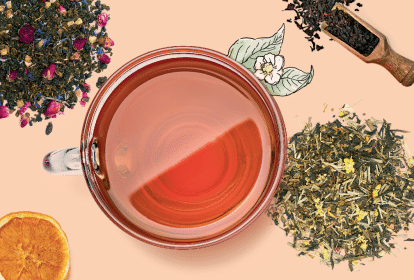
Herbal teas offer a gentle, accessible way to support joint health that many people find helpful as part of a broader wellness strategy. The compounds in ginger, turmeric, green tea, and other herbs have demonstrated anti-inflammatory properties in research.
While teas aren’t cures for serious joint conditions, they may provide modest symptom relief and support the body’s natural healing processes. The ritual of preparing and mindfully drinking tea also offers moments of calm that can help with stress management—another factor in pain perception.
Approach herbal remedies with both openness and realistic expectations. Work with healthcare providers to ensure your chosen teas are appropriate for your situation and won’t interact with medications or other treatments.
Joint health involves multiple factors, from genetics to activity levels to overall inflammation in the body. Teas can be valuable tools in your toolkit, complementing other evidence-based approaches like appropriate exercise, weight management, and medical treatment when needed.
Listen to your body, give approaches adequate time to work, and make decisions based on your individual experience rather than hype or unrealistic promises. With patience and consistency, you may find that these natural remedies contribute meaningfully to your comfort and quality of life. ☕
