
Anúncios
Living with diabetes doesn’t have to be a lifelong sentence. Many people are reversing their condition through lifestyle changes and reclaiming their health.


The journey to becoming an ex-diabetic isn’t about quick fixes or miracle cures. It’s about understanding how your body processes glucose, making intentional choices about what you eat, and adopting habits that support metabolic health. Research shows that type 2 diabetes can often be put into remission through dedicated lifestyle modifications.
Anúncios
While the path requires commitment and patience, thousands of people have successfully reversed their diabetes diagnosis. The twelve steps outlined in this article provide a comprehensive roadmap based on scientific evidence and real-world success stories. Let’s explore how you can take control of your health and potentially say goodbye to diabetes for good. 🌟
Understanding the Science Behind Diabetes Reversal
Before diving into the specific steps, it’s crucial to understand what happens in your body during diabetes reversal. Type 2 diabetes occurs when your cells become resistant to insulin, causing blood sugar levels to rise dangerously high. This insulin resistance is often triggered by excess fat stored in and around vital organs like the liver and pancreas.
Anúncios
When you reduce this fat through targeted interventions, your organs can begin functioning normally again. Your pancreas starts producing adequate insulin, and your cells become more responsive to it. This metabolic healing doesn’t happen overnight, but it’s remarkably achievable with the right approach.
Step 1: Commit to a Low-Carbohydrate Eating Pattern 🍽️
Reducing carbohydrate intake is perhaps the most powerful tool for reversing diabetes. Carbohydrates directly raise blood glucose levels, forcing your pancreas to produce more insulin. By limiting carbs, you give your metabolic system a chance to reset.
Focus on consuming fewer than 50-100 grams of carbohydrates daily, depending on your individual needs. This means eliminating bread, pasta, rice, potatoes, and sugary foods while emphasizing vegetables, proteins, and healthy fats. Many people experience dramatic blood sugar improvements within just days of adopting this approach.
The key is consistency. Your body needs time to adapt to using fat for fuel instead of constantly processing glucose. This metabolic shift, known as becoming fat-adapted, can take several weeks but delivers remarkable results.
Step 2: Embrace Intermittent Fasting
Intermittent fasting involves cycling between periods of eating and fasting. This practice gives your insulin levels time to drop significantly, allowing your body to tap into stored fat for energy. Even a simple 16-hour overnight fast can produce measurable benefits.
Start by skipping breakfast and having your first meal at noon, then finishing dinner by 8 PM. This 16:8 pattern is easy to maintain and doesn’t require calorie counting. During fasting periods, stick to water, black coffee, or plain tea.
Fasting also triggers autophagy, a cellular cleanup process that removes damaged components and improves overall metabolic function. Many ex-diabetics credit intermittent fasting as the breakthrough that finally normalized their blood sugar levels.
Step 3: Prioritize Protein in Every Meal
Adequate protein intake is essential for preserving muscle mass while losing weight. Muscle tissue is metabolically active and helps regulate blood sugar by acting as a glucose sink. Aim for at least 25-30 grams of protein per meal.
Excellent protein sources include eggs, fish, poultry, beef, and plant-based options like tofu and tempeh. Protein also increases satiety, helping you feel full longer and reducing cravings for sugary foods that spike blood glucose.

Step 4: Eliminate Processed Foods and Added Sugars
Processed foods are loaded with hidden sugars, unhealthy fats, and inflammatory ingredients that worsen insulin resistance. Reading labels becomes essential when you’re serious about reversing diabetes. Avoid anything with added sugars, high-fructose corn syrup, or refined grains.
Instead, shop the perimeter of the grocery store where fresh produce, meats, and whole foods are typically located. Preparing meals at home gives you complete control over ingredients and portion sizes. This single change can dramatically reduce your daily carbohydrate and calorie intake.
Step 5: Incorporate Regular Physical Activity 💪
Exercise is a non-negotiable component of diabetes reversal. Physical activity increases insulin sensitivity, meaning your cells can use glucose more effectively without requiring excessive insulin production. You don’t need to become a marathon runner—consistent moderate activity works wonders.
Aim for at least 30 minutes of activity most days of the week. Walking after meals is particularly effective for blunting blood sugar spikes. Resistance training two to three times weekly helps build muscle, which further improves glucose metabolism.
Many people find that their blood sugar levels drop immediately after exercise. Over time, regular activity remodels your metabolism, making it easier to maintain healthy glucose levels even on rest days.
Step 6: Monitor Your Blood Glucose Regularly
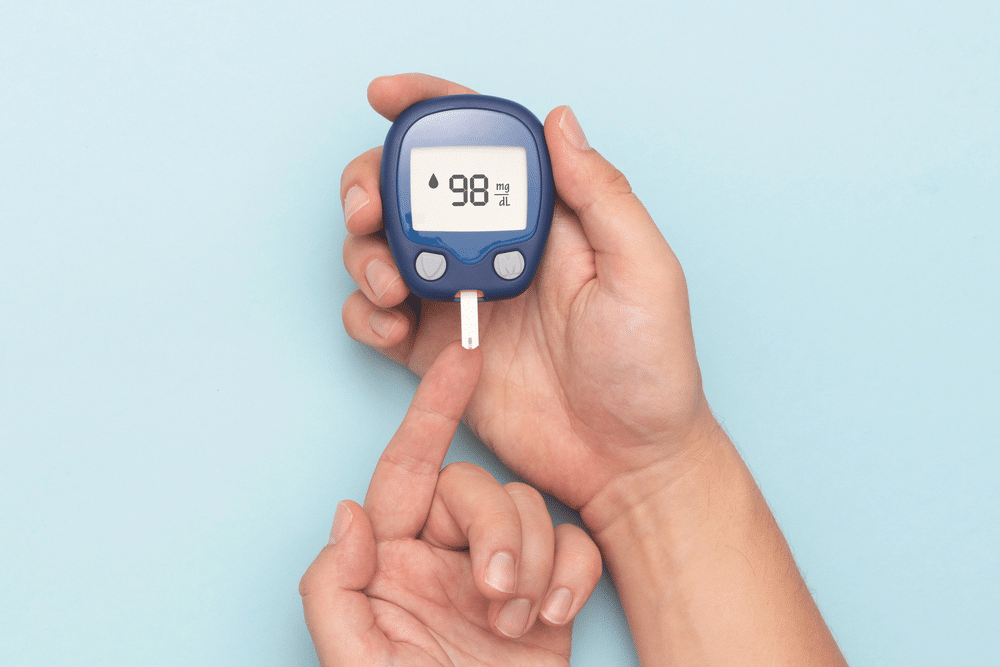
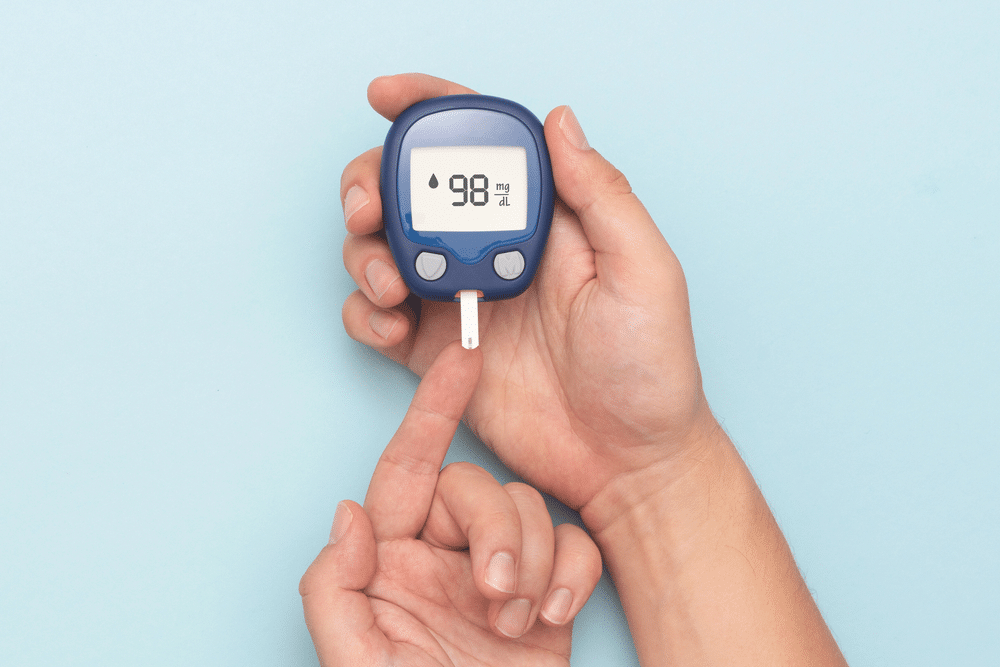
What gets measured gets managed. Checking your blood sugar levels helps you understand how different foods and activities affect your body. Test upon waking, before meals, and two hours after eating to identify patterns and triggers.
Modern continuous glucose monitors (CGMs) provide real-time feedback, showing exactly how your choices impact blood sugar throughout the day. This data empowers you to make informed adjustments and celebrate improvements as they happen.
Keeping a detailed log of your readings alongside notes about meals and activities creates a personalized roadmap. You’ll discover which foods you tolerate well and which ones spike your glucose unacceptably.
Step 7: Reduce Chronic Stress Levels 🧘
Stress hormones like cortisol raise blood sugar levels and promote insulin resistance. Chronic stress creates a vicious cycle that makes diabetes harder to control. Managing stress isn’t optional—it’s essential for metabolic healing.
Incorporate stress-reduction practices such as meditation, deep breathing exercises, yoga, or spending time in nature. Even five minutes of focused breathing can lower cortisol levels and improve insulin sensitivity.
Sleep quality and stress are intimately connected. Prioritizing seven to nine hours of quality sleep each night helps regulate stress hormones and supports overall metabolic function. Poor sleep disrupts blood sugar control and increases cravings for unhealthy foods.
Step 8: Stay Adequately Hydrated
Proper hydration supports kidney function and helps flush excess glucose from your bloodstream. Dehydration can actually concentrate blood sugar levels, making readings appear worse than they are. Aim for at least eight glasses of water daily, more if you’re physically active.
Water also helps control appetite and prevents mistaking thirst for hunger. Many people find that drinking a glass of water before meals reduces overeating and supports portion control. Avoid sugary drinks, fruit juices, and excessive caffeine, which can destabilize blood sugar.
Step 9: Consider Targeted Nutritional Supplements
While food should always be your primary source of nutrients, certain supplements may support diabetes reversal. Magnesium plays a crucial role in glucose metabolism, and many diabetics are deficient. Vitamin D deficiency is also linked to insulin resistance.
Other potentially beneficial supplements include chromium, alpha-lipoic acid, berberine, and omega-3 fatty acids. Always consult with a healthcare provider before starting supplements, especially if you’re taking diabetes medications, as blood sugar levels may drop quickly.
Step 10: Build a Supportive Community
Reversing diabetes is challenging, and having support makes the journey more sustainable. Connect with others who share your goals through online forums, local support groups, or family members committed to healthier living.
Accountability partners help you stay motivated during difficult moments. Sharing successes and strategies creates momentum and reinforces positive behaviors. Consider working with a health coach or nutritionist who specializes in metabolic health for personalized guidance.
Step 11: Work Closely With Your Healthcare Team 👨⚕️
As you implement lifestyle changes, your medication needs will likely decrease. This is excellent news but requires careful medical supervision. Never adjust or stop medications without consulting your doctor, as blood sugar levels can drop dangerously low.
Schedule regular appointments to review your progress and adjust treatment plans accordingly. A supportive physician who understands lifestyle-based diabetes reversal can be an invaluable ally. They’ll monitor important markers like HbA1c, fasting insulin, and lipid panels to track your metabolic improvements.
Some doctors may be skeptical about diabetes reversal, but objective data speaks for itself. Bring your glucose logs and progress reports to appointments, demonstrating your commitment and results.
Step 12: Commit to Lifelong Maintenance
Achieving diabetes remission is a tremendous accomplishment, but maintaining those results requires ongoing commitment. The habits that reversed your condition must become permanent lifestyle changes, not temporary fixes.
Think of diabetes reversal as managing a chronic condition in remission rather than a complete cure. If you return to old eating patterns and sedentary behaviors, the condition will likely return. However, most people find that once they experience the energy and vitality of normalized blood sugar, they have no desire to go back.
Celebrate milestones along the way—each point your HbA1c drops, each medication you eliminate, each pound you lose. These victories reinforce your new identity as someone who prioritizes health and takes control of their metabolic destiny.
Creating Your Personal Action Plan 📋
Success requires turning these twelve steps into actionable daily habits. Start by choosing two or three steps to focus on initially rather than overwhelming yourself with everything at once. Once those become routine, add more strategies progressively.
For example, you might begin with step one (low-carb eating) and step five (daily walks) for the first month. After establishing those habits, add intermittent fasting and regular glucose monitoring. This gradual approach increases your chances of long-term success.
Track your progress using a journal or smartphone app. Note your daily blood sugar readings, meals, exercise, stress levels, and how you feel. Patterns will emerge that help you fine-tune your approach for optimal results.
Real Success Stories That Inspire Hope
Thousands of people have successfully reversed their type 2 diabetes through lifestyle interventions. These aren’t rare exceptions—they represent what’s possible when you address the root causes of metabolic dysfunction rather than just managing symptoms with medication.
Many former diabetics report that within weeks of changing their diet, their blood sugar levels normalized. Within months, they were able to reduce or eliminate medications entirely. The improvements extend beyond glucose control to include weight loss, increased energy, better sleep, and reduced inflammation.
Your story can be next. The medical community increasingly recognizes that type 2 diabetes is often a reversible condition when approached comprehensively. You have more power over your metabolic health than you might have been led to believe.
Moving Forward With Confidence and Determination 🎯
Becoming an ex-diabetic requires dedication, but it’s one of the most rewarding health transformations you can achieve. Every meal choice, every workout, and every good night’s sleep contributes to your metabolic healing. Progress may feel slow at times, but consistency compounds into remarkable results.
Remember that setbacks are normal and don’t define your journey. If you have a challenging day or week, simply return to your healthy habits without guilt or self-criticism. Long-term success comes from what you do most of the time, not perfection every single day.
The twelve steps outlined here provide a comprehensive framework, but your path will be unique. Listen to your body, work with qualified healthcare providers, and adjust strategies based on your individual responses. Your commitment to this journey is an investment in a longer, healthier, and more vibrant life—one where diabetes no longer defines you.
